

Guide
Signs of hail and wind damage on your roof, and what to do first
Storm damage is easy to miss. Hail can bruise shingles without knocking a single one loose, and wind can lift shingles that settle back down looking normal. This guide covers what to look for after a storm, what to check safely from the ground, and the first steps that protect your home and any insurance claim.
Safety first
After a storm, stay off the roof. Wet shingles are slippery, damaged areas can give way, and a steep roof is dangerous even in good weather. Look for downed power lines before you walk the yard, and keep children and pets away from broken glass and fallen branches. Everything in this guide can be checked from the ground or from inside the house.
What hail damage looks like
Hail damage on asphalt shingles often shows up as dark spots where the impact knocked the granules loose, or as soft, bruised areas that feel like a bruise on an apple when pressed. You will not see most of that from the ground, so look for the easier clues around the house. Soft metals dent before shingles show much, which makes gutters, downspouts, roof vents and metal flashing good places to check.
- Dents or dings in gutters, downspouts and metal roof vents
- Granules collecting at the ends of downspouts or along the drip line
- Cracked, chipped or split siding, especially on the side that faced the storm
- Torn window screens, dented window wraps or cracked glass
- Dings on outdoor equipment such as air-conditioning units, mailboxes and grills
- Damage to cars or outdoor furniture left out during the storm
What wind damage looks like
Wind tends to work at edges and corners: along the eaves, the rakes at the ends of the roof, and the ridge. Strong gusts can lift a shingle and break the seal that holds it down, leaving a crease across the shingle even if it falls back into place. Those loose shingles are the ones that blow off in the next storm.
- Missing shingles, or shingles lying in the yard
- Shingles that are lifted, creased or flapping along edges and the ridge
- Exposed nail heads or bare roof deck
- Loose or bent flashing around the chimney and vents
- Siding panels that are loose, cracked or missing
- Gutters pulled away from the fascia
- Branches or debris lying on the roof
Check inside the house too
Some damage only shows inside. Look at ceilings, especially in upstairs rooms and closets, for new water stains. If you can get into the attic safely, look for damp insulation, daylight coming through the roof boards, or drips along nails. Water that gets in during a storm may not show up as a stain for days, so check again after the next rain.
The first steps after a storm
- Write down the date and time of the storm. Local news and weather reports help confirm when it happened.
- Take photos and video of everything you can see from the ground and inside the house, before anything is cleaned up or moved.
- Prevent further damage if you can do it safely: put a bucket under a drip, move belongings away from a leak, or cover a broken window. Keep receipts for anything you buy.
- Do not sign anything with a contractor who knocks on your door before you have had a chance to read your insurance policy and check the company out.
- Contact your insurance company or agent to ask how your policy handles storm damage and how to start a claim.
- Schedule a professional inspection so someone qualified can check the roof up close.
Why a professional inspection matters
Hail bruising and broken shingle seals are hard to see without walking the roof, and it takes experience to tell storm damage from ordinary wear. Omega Exteriors offers a free roof inspection that includes looking for storm damage, and provides roof storm damage restoration, siding storm damage restoration, gutter storm damage restoration and window storm damage restoration. Its storm work begins with a detailed inspection to identify the damaged areas before a plan is made.
If you are filing a claim, our guide to working with your insurance after storm damage walks through the process. The storm damage guide puts side by side what Omega Exteriors does for each part of the house. When you are ready, call (651) 998-8500 or request a free estimate.
Services
Services and products in this guide
4 pages this guide links to.
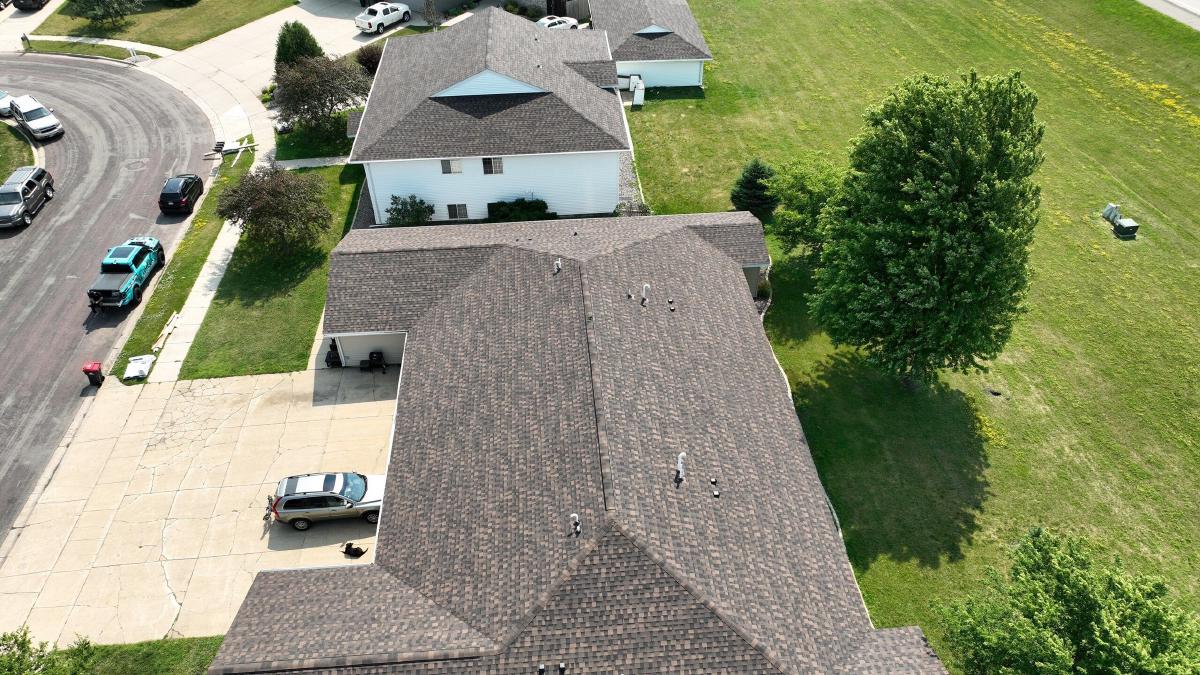
Roof Storm Damage Restoration
Our roof storm damage restoration provides rapid, thorough repairs, using advanced techniques to restore integrity.
Learn more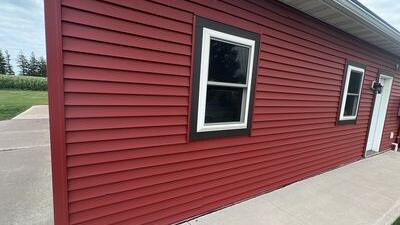
Siding Storm Damage Restoration
Our siding storm damage restoration swiftly repairs and strengthens your home, utilizing expert assessments and superior materials.
Learn more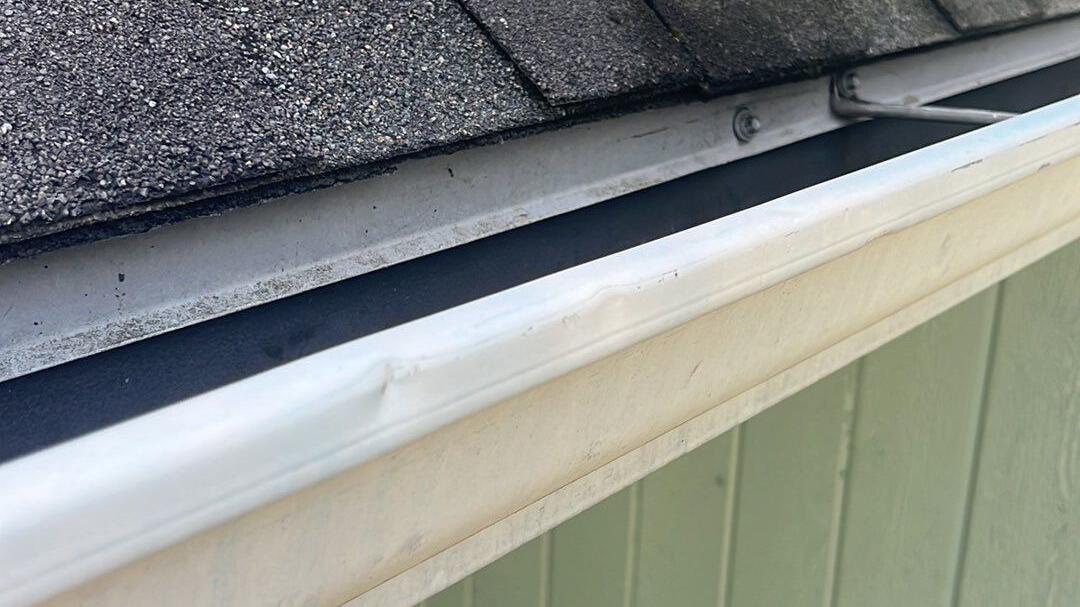
Gutter Storm Damage Restoration
Our gutter storm damage restoration service ensures swift, reliable repairs to protect your home from future issues.
Learn more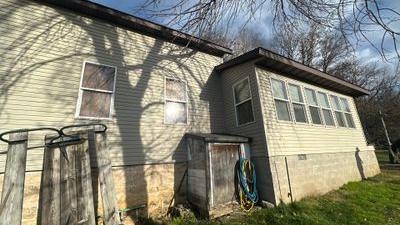
Window Storm Damage Restoration
Our window storm damage restoration swiftly restores your home's security and beauty.
Learn more
Guides
Helpful guides
3 guides from Omega Exteriors.
Roof repair or roof replacement: how to decide
How to tell whether your roof needs a repair or a full replacement: its age, the damage, leaks, the roof deck and your plans.
Learn more
Working with your insurance after storm damage
The usual steps after hail or wind damage: documenting it, contacting your insurer, the adjuster's visit, the estimate and the work.
Learn more
Storm damage restoration
Learn more
FAQ
Frequently asked questions
4 questions and answers.
Can a roof have hail damage even if no shingles are missing?
Yes. Hail often bruises shingles or knocks granules loose without removing any shingles, and that damage can be hard to see from the ground. Dents in gutters, vents and downspouts are a common sign that hail was big enough to damage the roof.
Should I go up on the roof to look for damage?
No. A roof after a storm can be slippery and damaged areas can give way. Check from the ground and from inside the house, take photos, and leave the close inspection to a professional.
How soon after a storm should I have my roof inspected?
As soon as you reasonably can. Small openings can let water in during the next rain, and insurance policies usually have time limits for reporting damage, so check your policy for the deadline that applies to you.
Does Omega Exteriors inspect for storm damage?
Yes. Omega Exteriors offers a free roof inspection that looks for storm damage, and repairs storm damage to roofs, siding, gutters and windows.
Ready when you are
Tell us what you need and we will get back to you — Monday–Friday 7:00 AM–7:00 PM.
Request a free estimate
Tell us about your project
Send a few details and Omega Exteriors will reply by phone or email.