
November checklist
A Roof Check Before the Snow Flies
Once the first real snow sticks in Minnesota or Wisconsin, most roofs stay white until March. Whatever is wrong up there in November stays hidden for four months, and the trouble it causes, mostly ice dams and slow leaks, shows up indoors first. A short look around the house now, while the shingles are still visible, takes about half an hour and needs nothing more than a pair of binoculars and a flashlight.
1. Look from the ground: shingles, flashing and vents
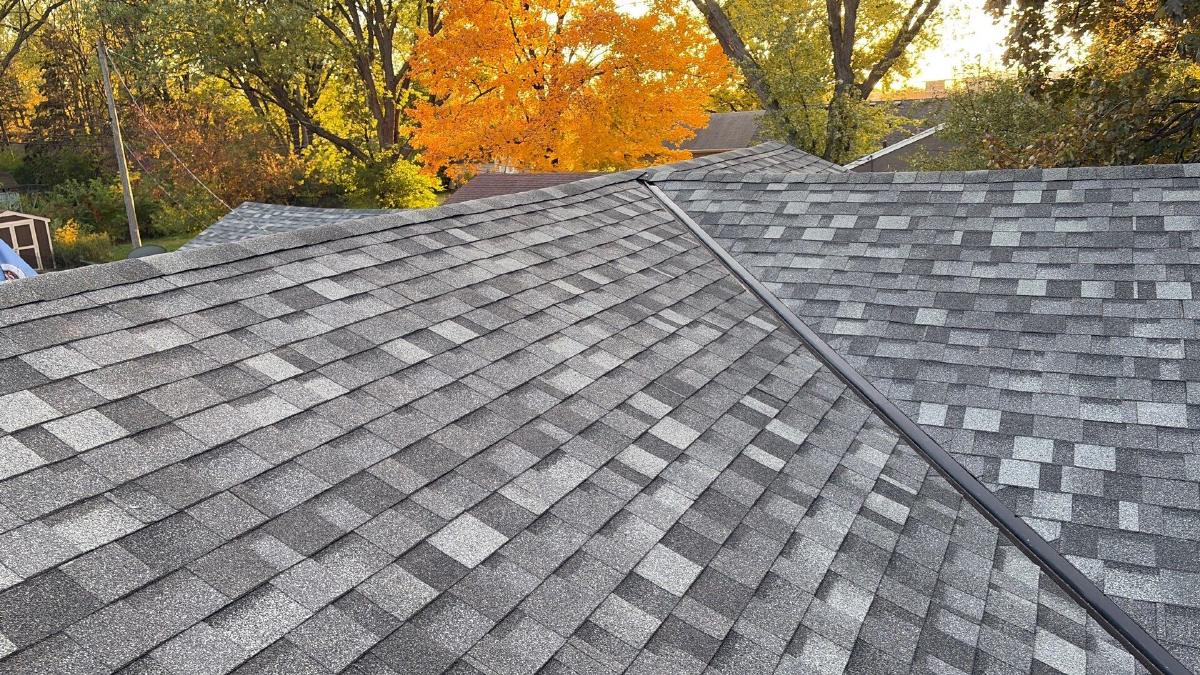
Walk all the way around the house and scan each slope with binoculars. You are looking for anything that breaks the pattern: a shingle that is lifted or creased, a dark patch where the surface granules have worn off, or a gap where a piece is missing altogether. Pay attention to the edges and the ridge, where wind gets the best grip.
Then look at everything that pokes through the roof. Metal flashing should lie flat against the chimney and along walls. Rubber boots around plumbing vents crack with age and sun, and a split boot is one of the most common small leaks we see. There is no need to climb a ladder for any of this; if something looks wrong, a professional can look closer.
2. Gutters and downspouts before the freeze
Gutters full of maple and oak leaves in November turn into gutters full of ice in December. Once water cannot drain, it freezes in the trough, backs up toward the roof edge and helps an ice dam form. Clear what you can reach safely from a stable ladder on the ground, or have it done, and run a hose to make sure each downspout empties away from the foundation.
While you are there, check that the gutters are still pitched toward the downspouts and that the hangers are tight. A gutter that sags or has pulled away from the fascia will not survive a heavy load of ice. If the whole system needs work, our gutter services cover seamless replacements and guards.
3. The attic: frost, light and insulation
The attic tells you more about winter performance than the roof itself. On a cold morning, take a flashlight up and look at the underside of the roof boards and the nails coming through them. Frost on the nails or the boards means warm, moist air from the house is reaching the attic, which is the same heat that melts snow on the roof and feeds ice dams.
Three more things to note while you are up there: daylight showing through anywhere it should not, insulation that is thin, wet or pushed away from the eaves, and vents along the soffits that are blocked by insulation. Our guide to ice dams explains how ventilation and insulation work together to keep the roof deck cold and even.
4. Storm damage you missed this summer
If a hail or wind storm came through this year and nobody looked at the roof afterward, November is the last good chance. Bruised shingles do not leak right away; they lose their granules, curl over the following seasons, and start to let water in. Dents in the gutters, downspouts and the air-conditioning unit are the easy clue that hail was big enough to matter. Our guide to signs of hail and wind damage has the full list, and homeowners in the lakes area can read about storm damage repair in Brainerd.
5. Trees and limbs over the roof
Branches that rub the shingles wear through them over a winter of wind, and a limb heavy with ice can come down on the roof. Make a note of any branch that hangs over the roof or touches it, and have it trimmed before the snow load arrives.
6. Inside the house
Finish where leaks show up: ceilings in upstairs rooms and closets, the walls under the eaves, and around skylights. A faint brown ring that was not there last spring is worth investigating now. So is peeling paint on the soffits or the fascia boards outside, which often points to water running where it should not.
When to book a professional inspection
Call a roofer when the ground check turns up anything you are unsure about, when there was a storm this year, or when the roof is getting older and you want to know whether it has another winter in it. Omega Exteriors offers a free roof inspection that includes looking for storm damage.
If the inspection finds a problem, a roof repair before the snow is usually quicker and less disruptive than one in January.
Services
Pages this one connects to
5 pages this guide links to.
Roof Repair
Our roof repair services swiftly address issues, utilizing expert assessments and durable materials to restore integrity.
Learn more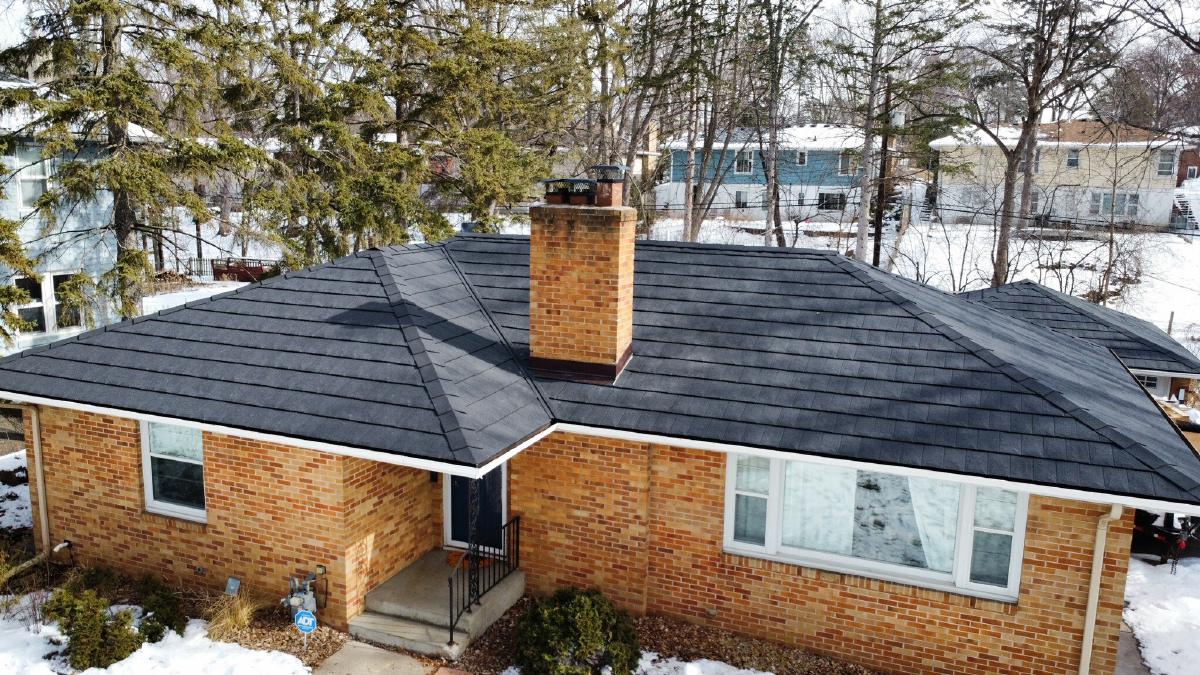
Gutters
Experience unparalleled expertise and quality service with Omega Exteriors' premium gutter installations and repairs.
Learn more
Signs of hail and wind damage on your roof, and what to do first
Learn more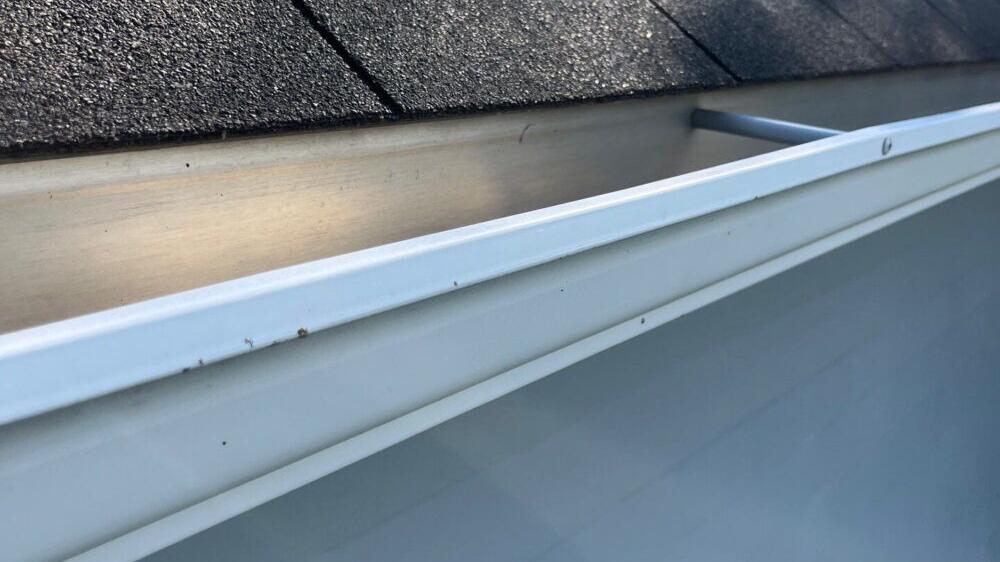
Ice dams in Minnesota and Wisconsin winters: causes and prevention
Learn more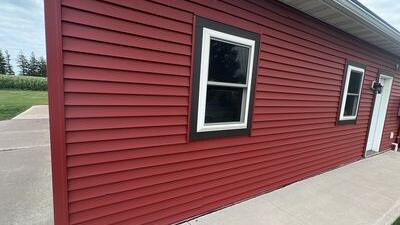
Hail and Storm Damage Repair in Brainerd, MN
Hail or wind hit your Brainerd-area home? What storms do to roofs and siding around the lakes, the free inspection, and repair or replacement.
Learn more
Guides
Helpful guides
3 guides from Omega Exteriors.
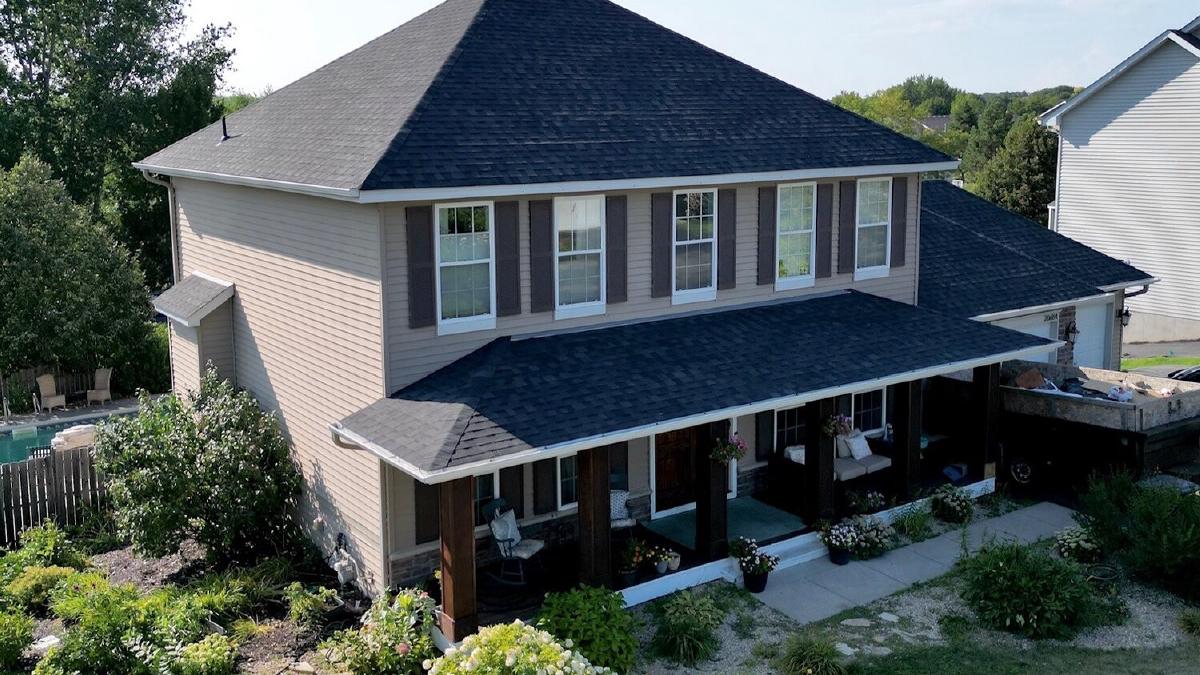
Roof repair or roof replacement: how to decide
How to tell whether your roof needs a repair or a full replacement: its age, the damage, leaks, the roof deck and your plans.
Learn more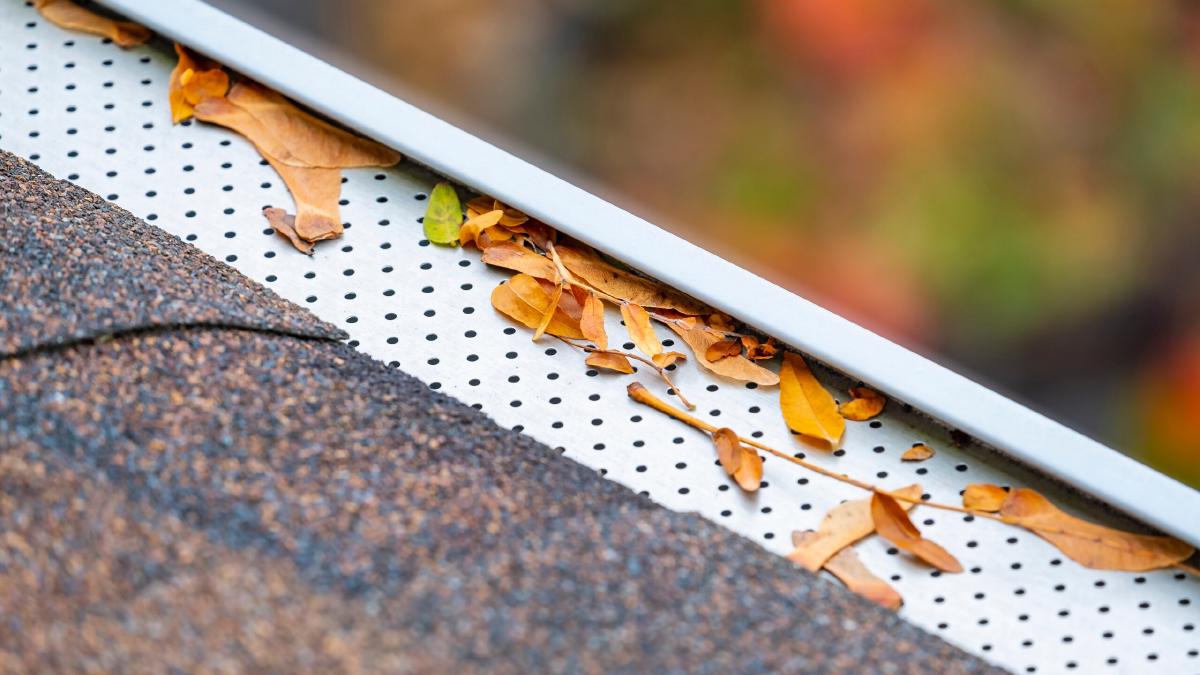
Seamless gutters and gutter guards: do you need them?
What seamless gutters are, how gutter guards work, whether your home needs them, and the gutter problems to watch for.
Learn more
Metal Roofing for Minnesota and Wisconsin: Your Options Explained
Standing seam, stone-coated steel and exposed-fastener panels compared for snow country, plus snow guards, ice dams, hail ratings.
Learn more
FAQ
Frequently asked questions
2 questions and answers.
Is it too late to fix storm damage before winter?
Usually not. Many repairs can be done in November and on workable winter days, and a repair now prevents the larger leaks that follow ice and snow. If a summer hail storm caused the damage, have it inspected now, before snow hides it until spring.
Can a roof be inspected with snow on it?
Snow hides most of what an inspector looks for on the shingles themselves, so the best time is before the first lasting snow or after a thaw. Gutters, flashing, siding and the attic can still be checked in winter.
Ready when you are
Tell us what you need and we will get back to you — Monday–Friday 7:00 AM–7:00 PM.
Request a free estimate
Tell us about your project
Send a few details and Omega Exteriors will reply by phone or email.