
Roofing guide
Metal Roofing for Minnesota and Wisconsin: Your Options Explained
Metal roofing used to mean barns and machine sheds. Today it covers lake cabins, suburban two-stories and city bungalows across Minnesota and Wisconsin, and more homeowners ask about it every year. The reasons are practical: long winters, heavy snow, hail and wind are hard on asphalt. But "metal roof" covers several very different systems, and choosing well means knowing how each one handles snow, hail, noise and the way your house is built. This guide walks through the options Omega Exteriors installs and the questions worth asking before you decide.
The three main types of metal roof
Most residential metal roofs fall into one of three families.
- Standing seam. Long panels run from the ridge to the eaves and lock together at raised seams. The fasteners sit under the seams, out of the weather. It is the cleanest look and has the fewest places for water to enter.
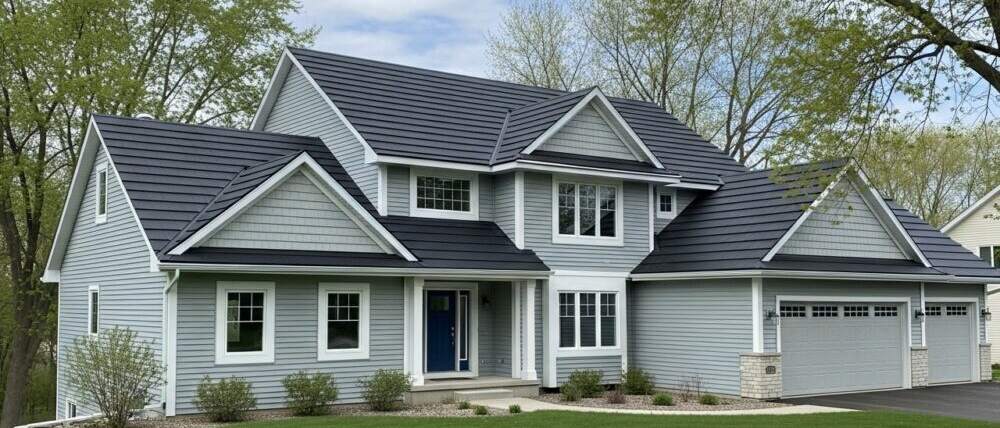
- Stone-coated steel. Steel pressed into the shape of shingles, shakes or tile and finished with a bonded stone granule coat. From the street it reads as a traditional roof; underneath it is steel.
- Exposed-fastener panels. Ribbed or corrugated sheets screwed through the face of the panel. Common on agricultural and outbuildings because it goes on quickly, but every screw and its rubber washer is a point that needs attention as the roof ages.
Omega Exteriors installs metal roofs and stone-coated steel roofs on homes. For a house, standing seam and stone-coated steel are the two most homeowners compare.
Snow: shedding, snow guards and ice dams
Snow is where metal earns its reputation in the north. A smooth standing seam surface lets snow slide off once the sun or the attic warms the underside, which keeps weight off the framing and leaves less snow sitting at the eaves to melt and refreeze. Stone-coated steel has a textured surface and holds snow more like shingles do, releasing it more gradually.
Sliding snow needs a plan. On a steep roof over a door, deck, walkway, driveway or gas meter, snow guards hold the load in place so it melts off or comes down in small amounts rather than one heavy sheet. The layout depends on what sits below each eave.
Metal does not stop ice dams by itself. An ice dam forms when heat escaping from the house melts snow high on the roof and the water refreezes at the cold overhang. Attic insulation, air sealing and ventilation decide that, under any roof material. Our guide to ice dams covers the attic side, and an ice and water barrier along the eaves remains good practice under metal.
Hail and impact ratings
Hail is the other test. Roofing impact resistance is rated under UL 2218, with Class 4 the highest. Many steel roofing products, including many stone-coated steel lines, carry a Class 4 rating, and manufacturers publish the rating for each product. Thicker steel resists denting better than thinner steel or aluminum, and a textured stone coating hides small dents that would show on a smooth panel.
A cosmetic dent and a leak are different things. Hail can mark a smooth metal roof without affecting how it sheds water, so a dented panel that still keeps water out is a matter of looks, not a repair. Textured and stone-coated finishes hide small dents better than smooth ones.
Noise, insulation and condensation
The worry we hear most is noise. Rain on a bare metal roof over open framing, as on a pole barn, is loud. On a house, the roof deck, underlayment, attic insulation and the ceiling below absorb most of that sound, and most homeowners notice little difference from shingles. Stone-coated steel is quieter still, because the stone coating and the raised profile break up the impact.
Condensation is the less obvious issue. Metal cools quickly at night, and warm, moist air reaching its underside can condense. On a house, the answer is the same as for any roof: a solid deck with a quality underlayment, a well-sealed ceiling and a ventilated attic so moist air from the living space does not reach the roof.
Over existing shingles or a full tear-off?
Some metal systems are marketed for installation over an existing shingle roof. A tear-off is the more thorough approach: it exposes the deck so soft or damaged boards can be replaced, lets the crew install a fresh ice barrier and underlayment, and avoids trapping an old roof's problems under a new one. Local building codes also limit how many roof layers a house may carry. Your estimate visit is the time to look at the deck and decide which approach suits your house.
Cost and how metal compares
Metal costs more to install than architectural asphalt shingles, and less than some premium options such as synthetic or natural slate. What you pay depends on the system, the gauge of the steel, the finish, the size and shape of the roof and whether a tear-off is needed. Our guide to roof replacement cost explains every line of a roofing quote, for metal and every other material, and how to compare quotes fairly.
For a broader look at how metal sits beside asphalt and synthetic materials, see our guide comparing asphalt, metal and stone-coated steel.
Metal roofing near you
Omega Exteriors installs metal roofs from offices across Minnesota and Wisconsin. Homeowners on the North Shore can read about metal roofing in Duluth, where lake weather makes metal a common choice. Wherever you live, every metal roof starts with a free estimate visit: we measure the roof, look at the pitch, the deck and what sits below the eaves, and talk through standing seam, stone-coated steel and asphalt side by side. Call (651) 998-8500 or request a free estimate online.
Services
Pages this one connects to
5 pages this guide links to.
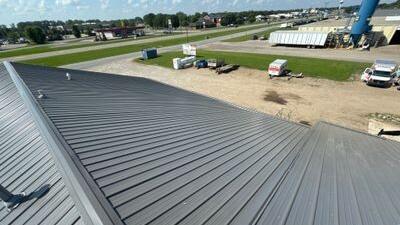
Metal Roofs
We employ metal roofs for their exceptional durability and energy efficiency, offering a sleek appearance.
Learn more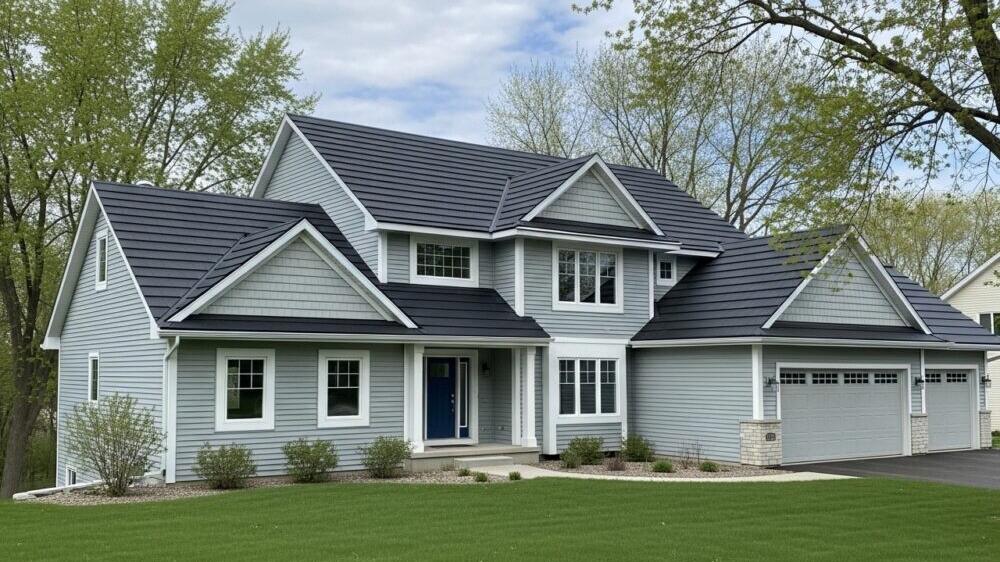
Stone Coated Steel Roofs
Stone coated steel roofs combine strength and aesthetics, offering excellent durability, weather resistance, and a stylish finish.
Learn more
Metal Roofing in Duluth, MN
Why metal roofs suit Duluth snow, wind and lake weather: standing seam or stone-coated steel, snow guards, ice dams, and how to get a quote.
Learn more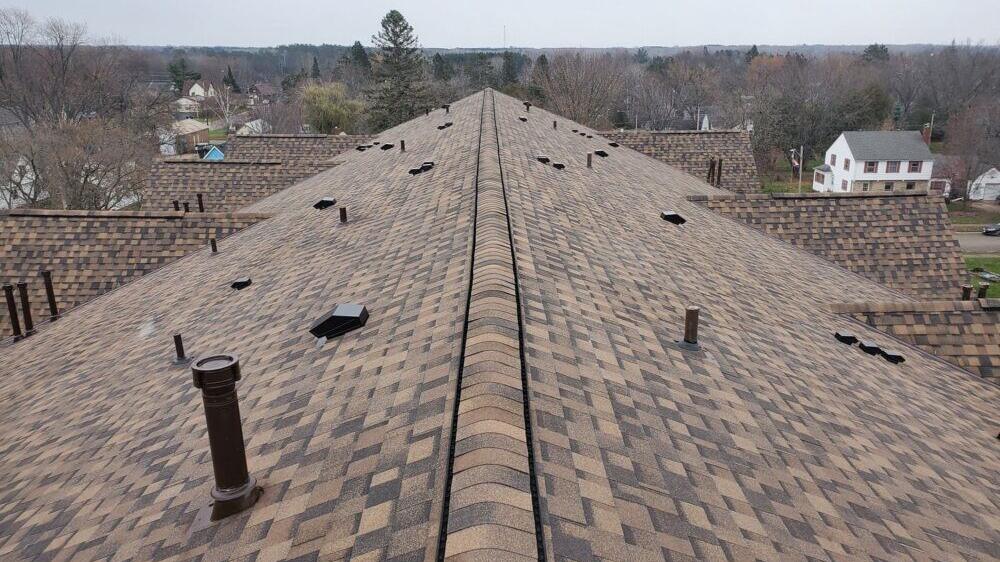
How Much Does a Roof Replacement Cost in Minnesota and Wisconsin?
What sets the price of a new roof in Minnesota and Wisconsin: size, tear-off, decking, material, roof shape, storm damage.
Learn more
Ice dams in Minnesota and Wisconsin winters: causes and prevention
Learn more
Guides
Helpful guides
3 guides from Omega Exteriors.
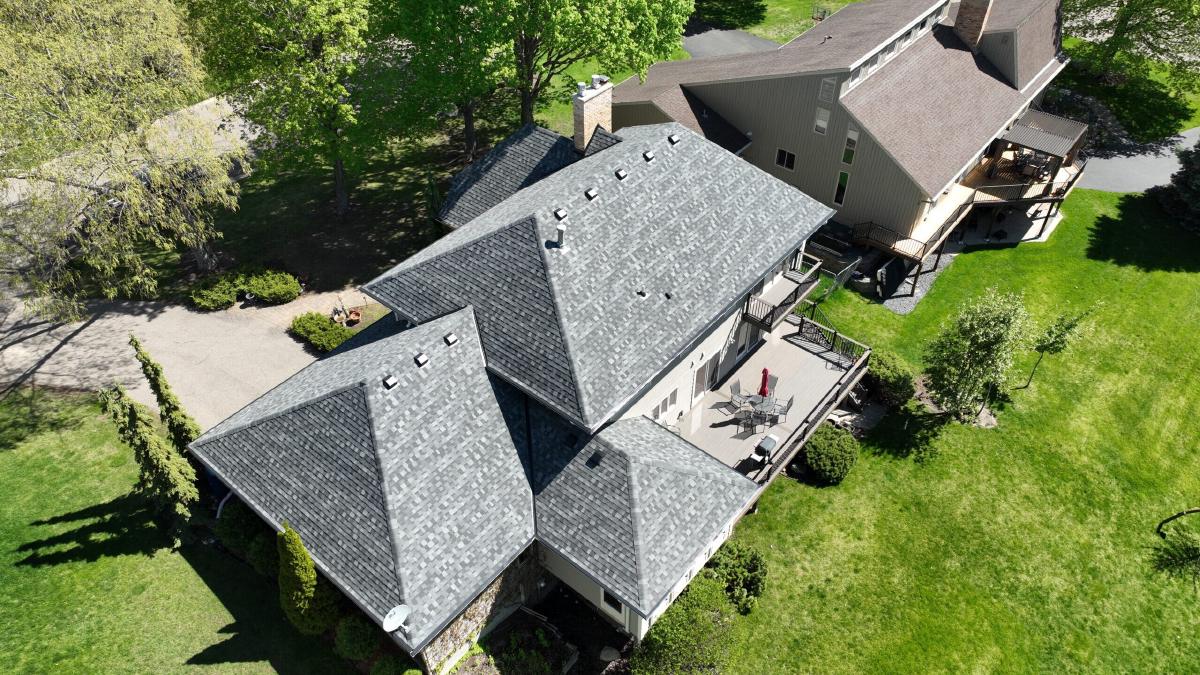
Asphalt, metal or stone-coated steel roofing: how they compare
How asphalt shingles, metal and stone-coated steel roofing compare on look, durability and upkeep, plus synthetic tile and wood shake.
Learn more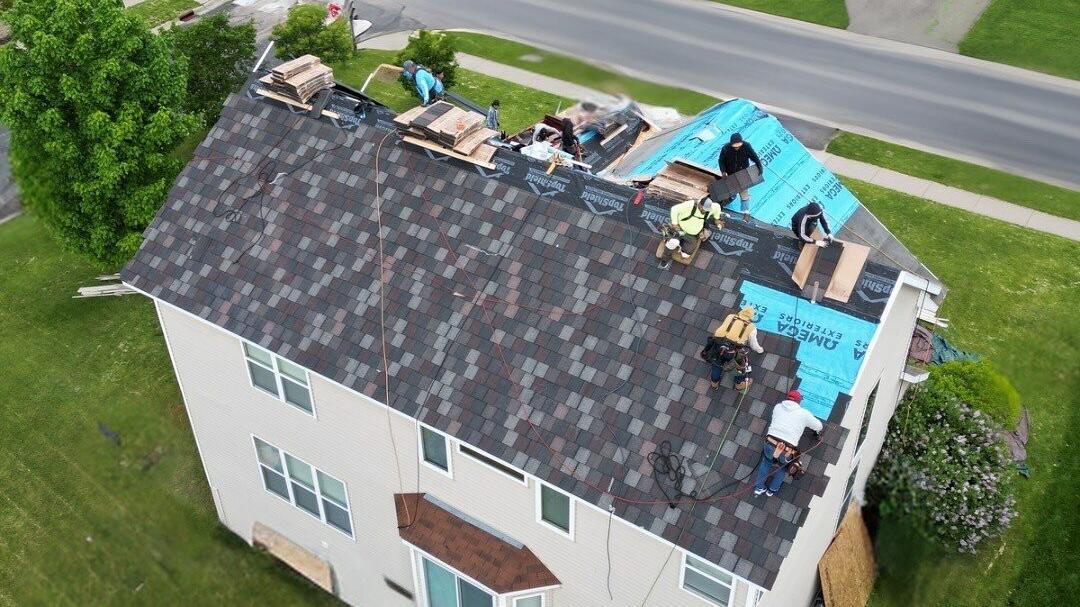
What to expect during a roof replacement, step by step
A roof replacement step by step: the estimate, choosing materials, getting the house ready, tear-off, installation and cleanup.
Learn more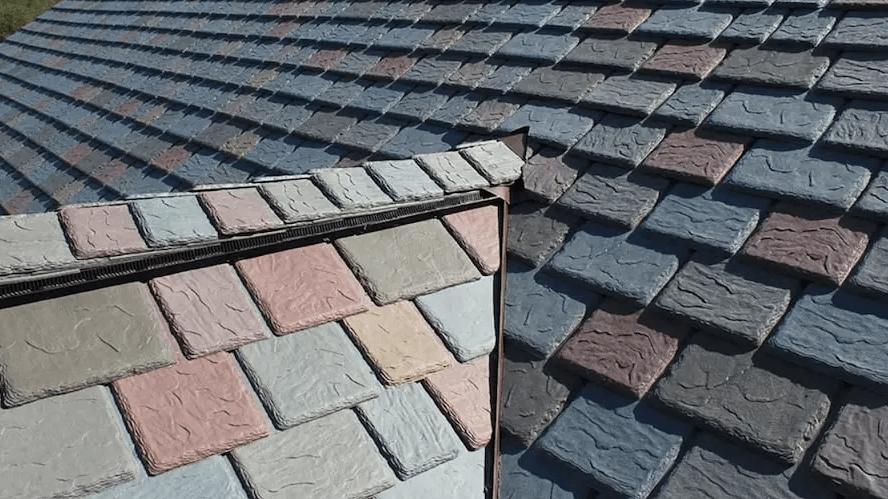
DaVinci Synthetic Slate Roofing: Cost, Benefits and Trade-offs
What DaVinci synthetic slate is, how it compares with natural slate, what drives its cost, its ratings and colors.
Learn more
FAQ
Frequently asked questions
4 questions and answers.
Is a metal roof worth it in Minnesota?
For many homeowners, yes: metal sheds snow, resists wind and hail well and lasts a long time. It costs more up front than asphalt, so it pays off best on a house you plan to keep and on roofs steep enough to shed snow.
Do metal roofs need snow guards?
Often. Wherever sliding snow could land on a door, walkway, deck, driveway or utility meter, snow guards hold it in place so it melts off gradually.
Is stone-coated steel the same as a metal roof?
It is a metal roof, made of steel, but it is shaped like shingles, shakes or tile and finished with a stone coating. It looks traditional from the street and holds snow more like shingles than smooth standing seam does.
Will a metal roof make my house colder or hotter?
The roof covering itself has little effect on winter comfort; attic insulation and air sealing decide that. In summer, lighter and reflective finishes can reduce the heat the roof absorbs.
Ready when you are
Tell us what you need and we will get back to you — Monday–Friday 7:00 AM–7:00 PM.
Request a free estimate
Tell us about your project
Send a few details and Omega Exteriors will reply by phone or email.