

Cost guide
How Much Does a Roof Replacement Cost in Minnesota and Wisconsin?
Search for the cost of a new roof and you will find national averages that swing by thousands of dollars, calculators that ask for your ZIP code and little else, and a lot of numbers nobody stands behind. The honest answer is that the price of a roof replacement in Minnesota or Wisconsin is built from a handful of measurable things: how big the roof is, what comes off it, what goes under the shingles, the material on top and how complicated the shape is. This guide explains each of them, so that when a quote arrives you know what you are paying for and can compare one contractor with another line by line.
What you are paying for
A roof replacement is not just new shingles. A complete quote covers every layer from the boards up, plus the labor and the cleanup. Here is what a full replacement usually includes, and why each part matters.
- Squares. Roofers measure area in squares, each 100 square feet of roof surface. The number of squares, not the floor area of the house, drives the materials and much of the labor.
- Tear-off. Removing the old roof down to the deck. A house with two layers of shingles takes longer to strip and fills more dumpsters than a house with one.
- Decking. The plywood or board sheathing under the shingles. Rotted or soft sections found after tear-off have to be replaced before anything goes on top.
- Underlayment and ice barrier. A synthetic underlayment covers the deck, and a self-adhering ice and water barrier runs along the eaves and in the valleys, where ice dams and heavy runoff do their damage.
- Ventilation. Intake vents at the soffits and exhaust at the ridge keep the attic cold in winter and dry year-round. A new roof is the natural time to fix ventilation that never worked.
- Flashing. Metal at chimneys, walls, skylights and valleys, plus new boots around plumbing vents. Reusing old flashing is a common shortcut that shows up as a leak a few years later.
- Disposal and cleanup. Dumpsters, hauling and the magnet sweep for nails in the lawn and driveway.
When two quotes differ a lot, the difference is often in this list rather than in the shingles: one includes new flashing and a full ice barrier, the other does not mention them.
Material choice and how it moves the price
The roofing material is the biggest single choice you make, and it sets both the starting price and how long the roof should last.
Asphalt shingles are the most common roof in both states and the most affordable to install. Architectural shingles, thicker and dimensional, are the standard on most replacements today. Omega Exteriors holds the IKO Craftsman Premier credential and installs IKO shingles in a wide range of colors.
Metal roofing costs more to install than asphalt but sheds snow well and lasts a long time. Standing-seam panels and stone-coated steel are the two common types, and both are popular on lake homes and on houses that see heavy snow.
Synthetic slate, such as DaVinci slate tiles, sits at the premium end. It gives the look of natural slate without the weight, and it is installed piece by piece, which takes more labor than shingles.
Our guide comparing asphalt, metal and stone-coated steel roofing covers how each looks and holds up over time. For a quote, the point is simpler: choose the material first, because every other line follows from it.
Roof shape: pitch, valleys, dormers and skylights
Two houses with the same number of squares can have very different prices because of shape.
Pitch is the steepness of the roof. A low, walkable roof goes quickly. A steep roof needs roof jacks, harnesses and more careful staging, and crews move slower on it, especially in cold weather.
Valleys, where two slopes meet, need extra ice barrier and careful cutting. Dormers, turrets and walls that meet the roof add flashing and time. Each skylight and chimney needs its own flashing kit.
A plain gable roof on a ranch house is the simplest job there is. A two-story house with several dormers, a porch roof, a chimney and two skylights can take twice the labor per square.
Why a measured estimate beats a price chart
Omega Exteriors prices every roof after a free estimate visit at the house, rather than from a chart.
Whatever the range, a fair price for your roof comes from measuring it. Satellite measurements and online calculators get the squares close, but they cannot see a second layer of shingles, a soft deck or a chimney that needs new flashing.
After hail or wind: what changes in the estimate
A roof that has simply worn out is priced on its size, its layers and the material you choose. A roof damaged by hail or high winds adds a step: the inspection decides which slopes can be repaired and which have to be replaced, and the estimate lists each one, along with the flashing, vents, gutters and any damage inside.
Read a storm estimate line by line against what the inspector showed you, and ask about anything that is missing. Our guide to storm damage repair and replacement walks through the work from the inspection to the finished roof.
Upgrades are the other line to watch. Moving from asphalt to metal, or adding ventilation the old roof never had, changes the price, and the estimate should show those choices on their own lines.
Financing options
Many homeowners pay for a roof over time rather than all at once. Omega Exteriors offers financing; the current terms are on our financing page, and the office can explain them when you call. Ask about financing at the estimate, so the plan and the project are set up together.
How to compare quotes line by line
Three quotes for the same house can look like three different projects. Lining them up on the same items makes the comparison fair.
- Check the measurements. Each quote should state the number of squares. If one is far off from the others, ask how it was measured.
- Check the tear-off. Does the quote remove every existing layer down to the deck?
- Check the decking. Is replacement of damaged decking included, and if it is priced separately, at what rate per sheet?
- Check the underlayment and ice barrier. Where does the ice and water barrier go, and how far up from the eaves?
- Check the flashing. New flashing at chimneys, walls and skylights, and new vent boots, should be written in.
- Check ventilation. Is a ridge vent included, and are the soffit intakes clear?
- Check the material. The exact shingle line or metal profile, and the color.
- Check the warranty. Both the manufacturer's warranty on the materials and the contractor's warranty on the workmanship, in writing.
- Check the cleanup. Dumpsters, disposal and the nail sweep.
A low quote that leaves out flashing, decking or ice barrier is not a lower price for the same roof; it is a different roof.
Getting a price for your house
Every quote from Omega Exteriors starts with a free estimate visit, where the roof is measured and its condition checked. You can call our Farmington office at (651) 998-8500, or request a free estimate online and tell us about the house. If you are deciding whether you need a new roof at all, start with our guide to roof repair or roof replacement.
Services
Pages this one connects to
6 pages this guide links to.
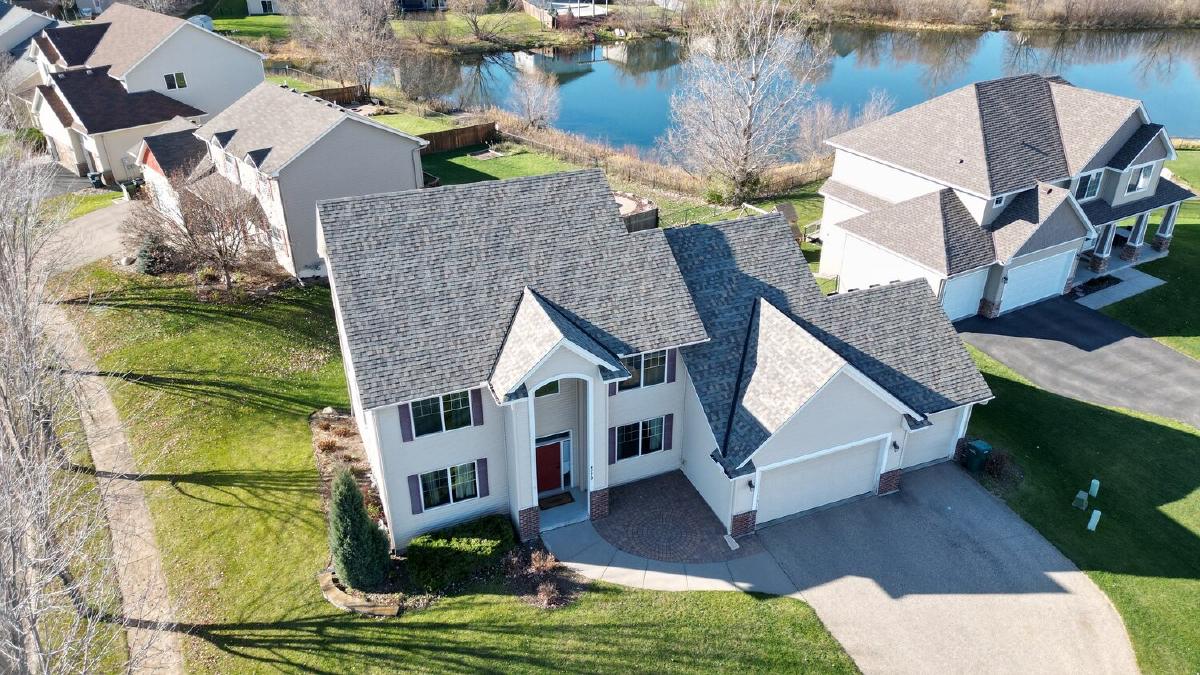
Roof Replacement
Our roof replacement services provide comprehensive solutions using premium materials, enhancing durability and energy efficiency.
Learn more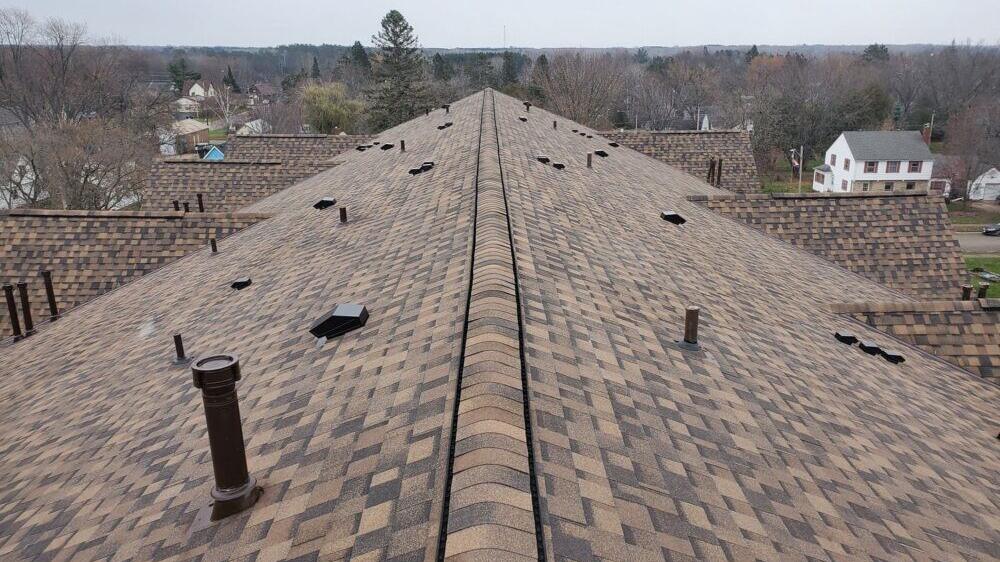
Asphalt Shingle Roofs
We utilize asphalt shingles for their durability and cost-effectiveness, offering a versatile range of styles and colors.
Learn more
Metal Roofs
We employ metal roofs for their exceptional durability and energy efficiency, offering a sleek appearance.
Learn more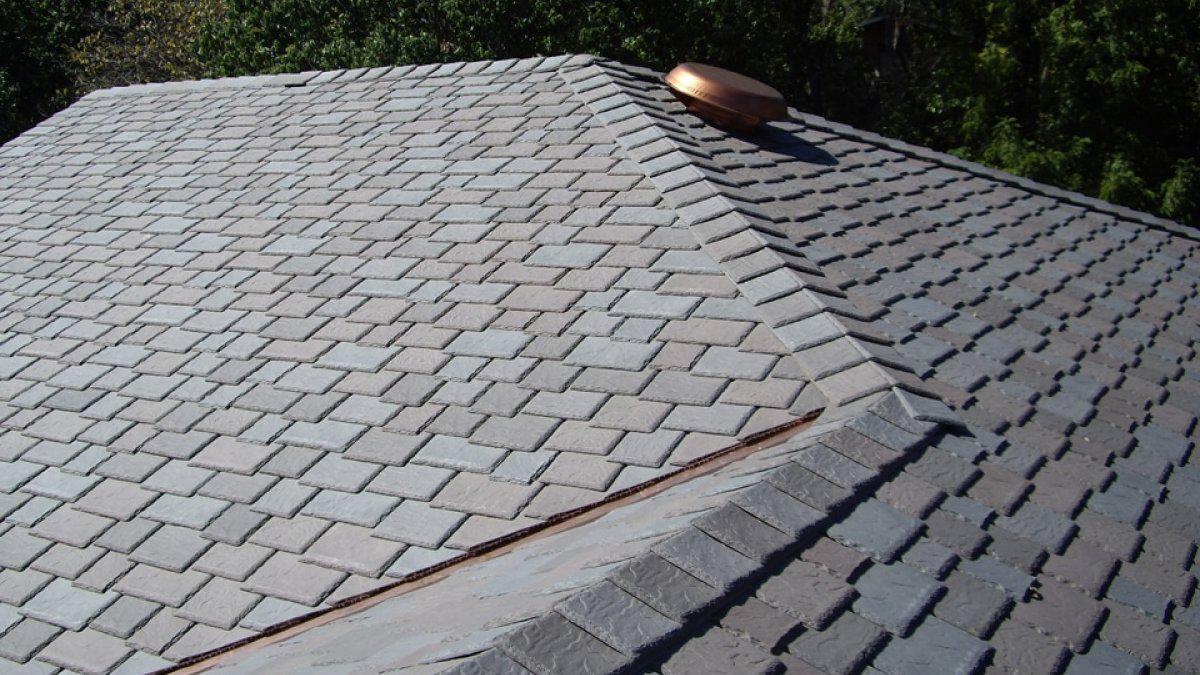
DaVinci Slate Roof Tiles
Discover the unmatched beauty and durability of DaVinci Slate Tiles in Minnesota.
Learn more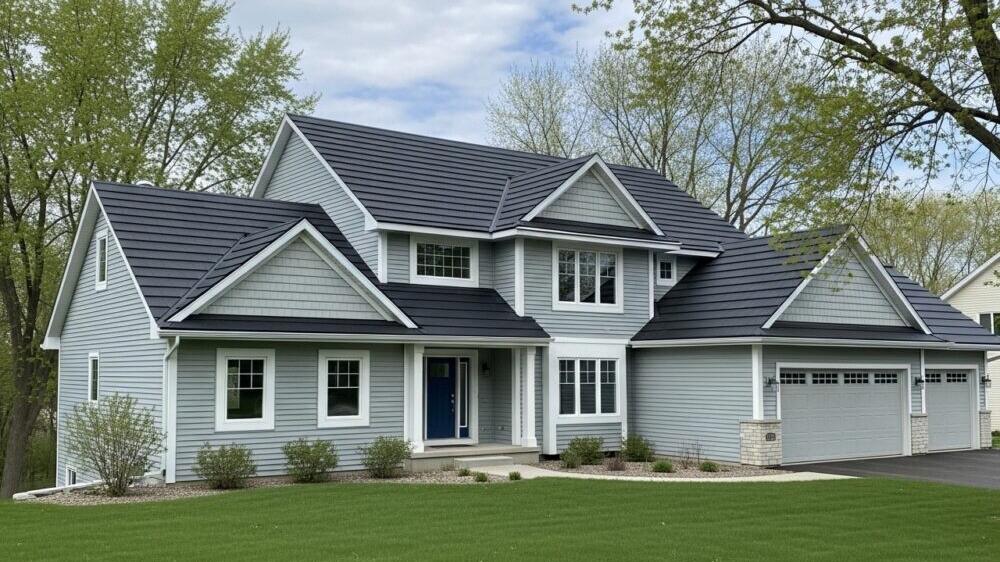
Asphalt, metal or stone-coated steel roofing: how they compare
Learn more
Storm damage repair and replacement after hail or wind
Learn more
Guides
Helpful guides
3 guides from Omega Exteriors.
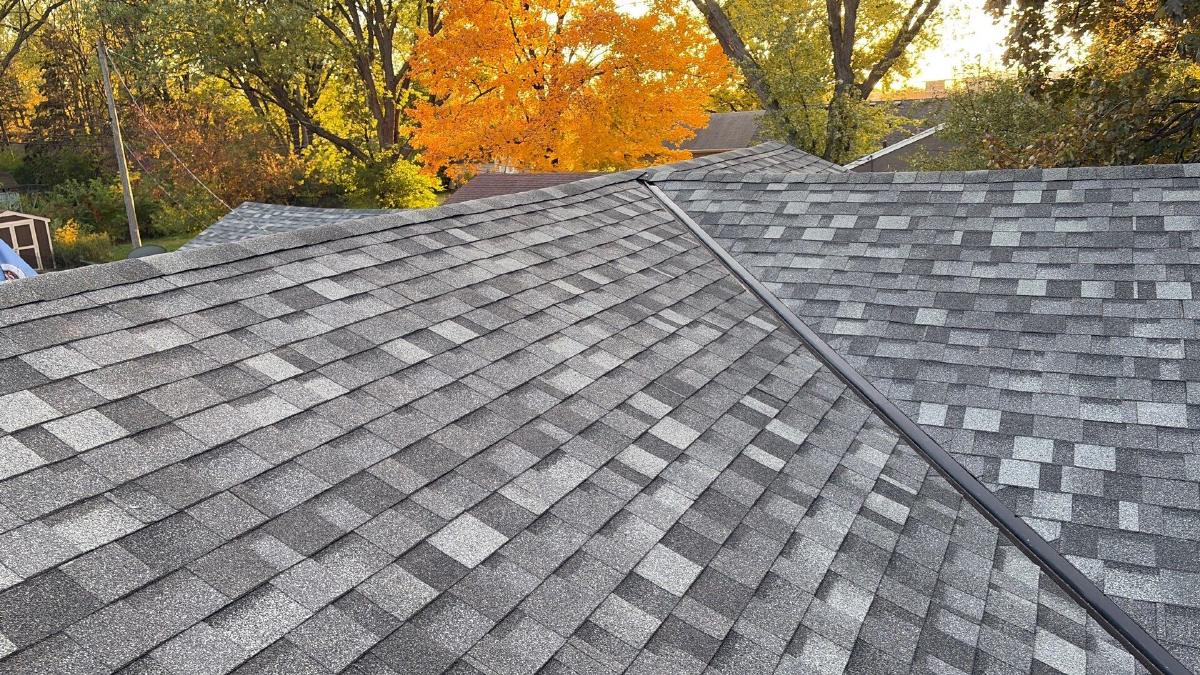
Roof repair or roof replacement: how to decide
How to tell whether your roof needs a repair or a full replacement: its age, the damage, leaks, the roof deck and your plans.
Learn more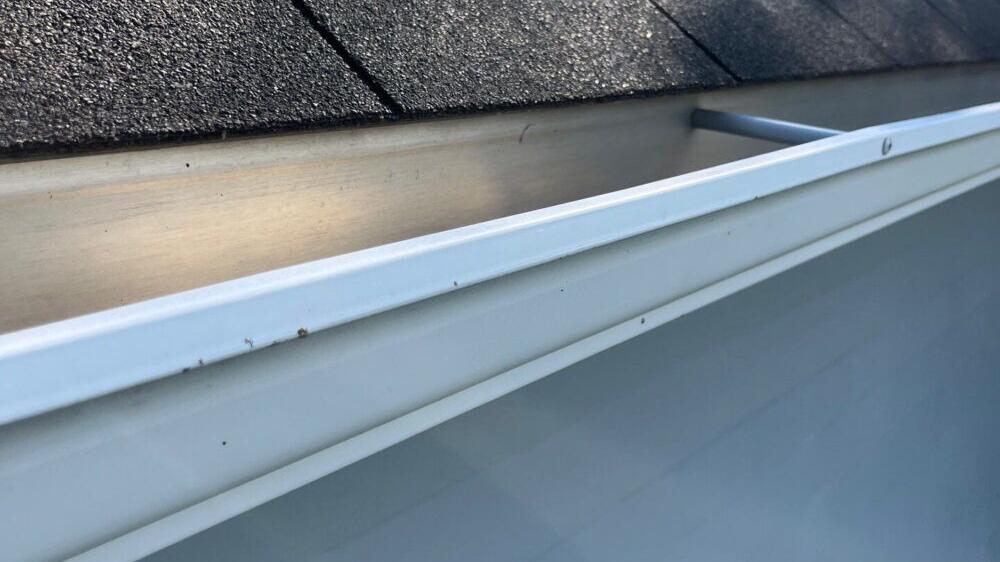
Ice dams in Minnesota and Wisconsin winters: causes and prevention
Why ice dams form along the edge of your roof, how they cause leaks, what to do about one, and how the attic and roof help prevent them.
Learn more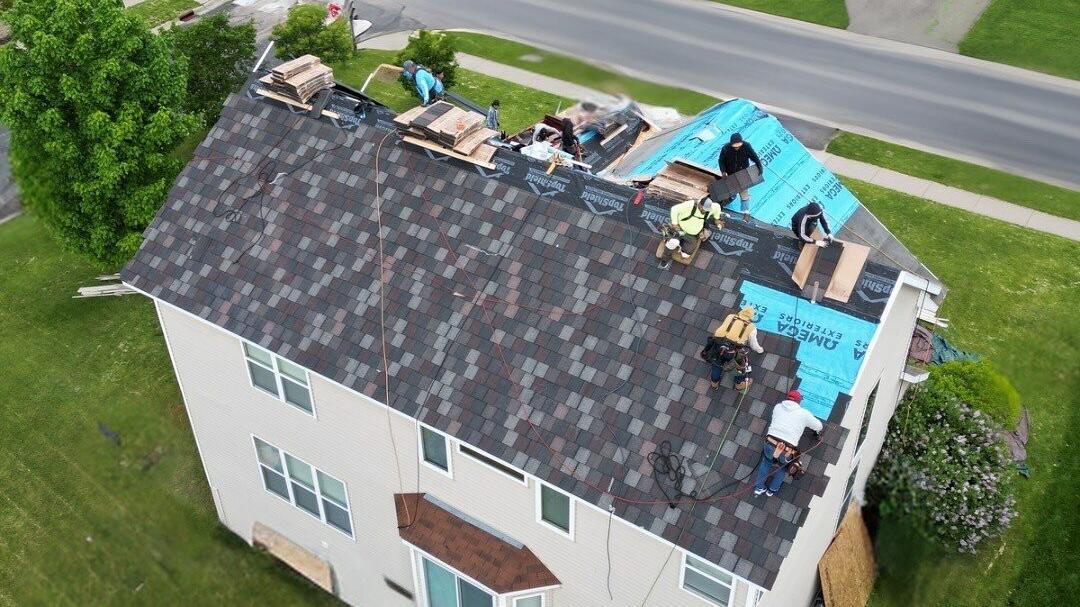
What to expect during a roof replacement, step by step
A roof replacement step by step: the estimate, choosing materials, getting the house ready, tear-off, installation and cleanup.
Learn more
FAQ
Frequently asked questions
3 questions and answers.
How much does a new roof cost in Minnesota?
It depends on the size of the roof in squares, how many layers come off, the condition of the deck, the material and the shape of the roof. A measured estimate at your house is the only reliable number.
Is it cheaper to replace a roof in winter?
The materials are the same in any season, and cold-weather installs can take more care and more days. Ask at the estimate what timing makes sense for your roof.
Does storm damage change the price of a new roof?
It can. Hail or wind damage to the decking, flashing or gutters adds work, and a storm that reached the siding and windows adds those items to the estimate. The inspection shows what was damaged, so the estimate prices the work the house actually needs.
Ready when you are
Tell us what you need and we will get back to you — Monday–Friday 7:00 AM–7:00 PM.
Request a free estimate
Tell us about your project
Send a few details and Omega Exteriors will reply by phone or email.