

Guide
Storm damage repair and replacement after hail or wind
When hail or high winds damage your roof, Omega Exteriors inspects it and replaces or repairs it, along with the siding, gutters and windows the same storm reached. This guide explains how that work usually goes once the storm has passed: what the inspection covers, how the choice between a repair and a replacement is made for each part of the house, and what happens on the days the crew is there.
One storm, several kinds of damage
A single storm rarely damages only one thing. Hail large enough to bruise shingles usually dents gutters and downspouts on the way down, cracks vinyl siding on the side of the house that faced the storm, and can tear screens and dent the metal wrap around windows. Straight-line wind works differently: it lifts shingles along the eaves, the rakes and the ridge, pulls siding loose at corners, and can pull gutters off the fascia.
That is why the whole exterior is looked at, not only the roof, and why Omega's storm work covers roof storm damage restoration, siding storm damage restoration, gutter storm damage restoration and window storm damage restoration.
The free inspection
Omega's storm work begins with a detailed inspection to identify the damaged areas before a plan is made. On the roof, the inspector checks each slope for bruised or cracked shingles, lost granules, broken seals and creased tabs, and looks at the flashing, vents, pipe boots and ridge. Around the house, the inspection covers each wall of siding, every run of gutter and downspout, and the windows, screens and trim.
You get a plain account of what was found, with photos, and a written estimate for the work. If you would like to look around on your own first, our guide to signs of hail and wind damage lists what can be checked safely from the ground.
Repair or replace: the roof
A few missing or creased shingles on an otherwise sound roof can often be replaced one at a time, with shingles that match in size and color. Once hail has bruised the mat across a whole slope, a patch leaves weakened shingles next to new ones, and the weakened ones keep failing on their own schedule. In that case the slope, or the whole roof, is replaced.
The age of the roof matters as well. A roof that was near the end of its life before the storm is usually better replaced than patched, and a replacement is the time to add an ice and water barrier along the eaves and to correct attic ventilation. Our guide on roof repair or replacement covers that decision in more depth.
Repair or replace: siding, gutters and windows
The same question is asked of each part of the house, and the answer depends on how much was damaged and whether matching material is still made.
- Siding: cracked or punctured panels can be swapped out when the same profile and color are still available. When they are not, re-siding a full wall or the whole house keeps the color and profile even.
- Gutters: a small dent does not always stop a gutter from draining, but crushed sections, split seams and gutters pulled from the fascia are replaced, often with new seamless runs.
- Windows: torn screens and dented wraps can be repaired. A cracked pane, a failed seal or a damaged frame usually means a replacement window.
- Trim, soffit and fascia: damaged pieces are replaced so water cannot get behind the siding or into the roof edge.
Protecting the house until the work starts
After a large storm, many homes in the same area need work at once. If the inspection finds an opening that could let water in, a temporary cover, such as a tarp over a damaged section of roof or plastic over a broken window, keeps the next rain out until the repair is on the schedule. Inside, check the ceilings below the damaged area after each rain, and move belongings away from any wet spot.
What the work looks like
A roof replaced after a storm goes through the same steps as any new roof: the old shingles come off down to the deck, soft or broken boards are replaced, then come the ice and water barrier, underlayment, new flashing, the shingles and ridge ventilation, and a cleanup of the yard and driveway. Siding and gutters usually follow the roof, so new gutters are not dented by roofing work above them. Our guide on what to expect during a roof replacement walks through each day.
Choosing materials after a storm
A replacement is also a chance to choose materials suited to Minnesota and Wisconsin weather. Many homeowners stay with asphalt shingles, some move to metal roofing, and on the walls steel siding and fiber cement siding are options alongside vinyl. Ask about impact ratings when you compare products, since some shingles are made to stand up to hail better than others.
To schedule a free inspection, call (651) 998-8500 or request a free estimate.
Services
Services and products in this guide
5 pages this guide links to.
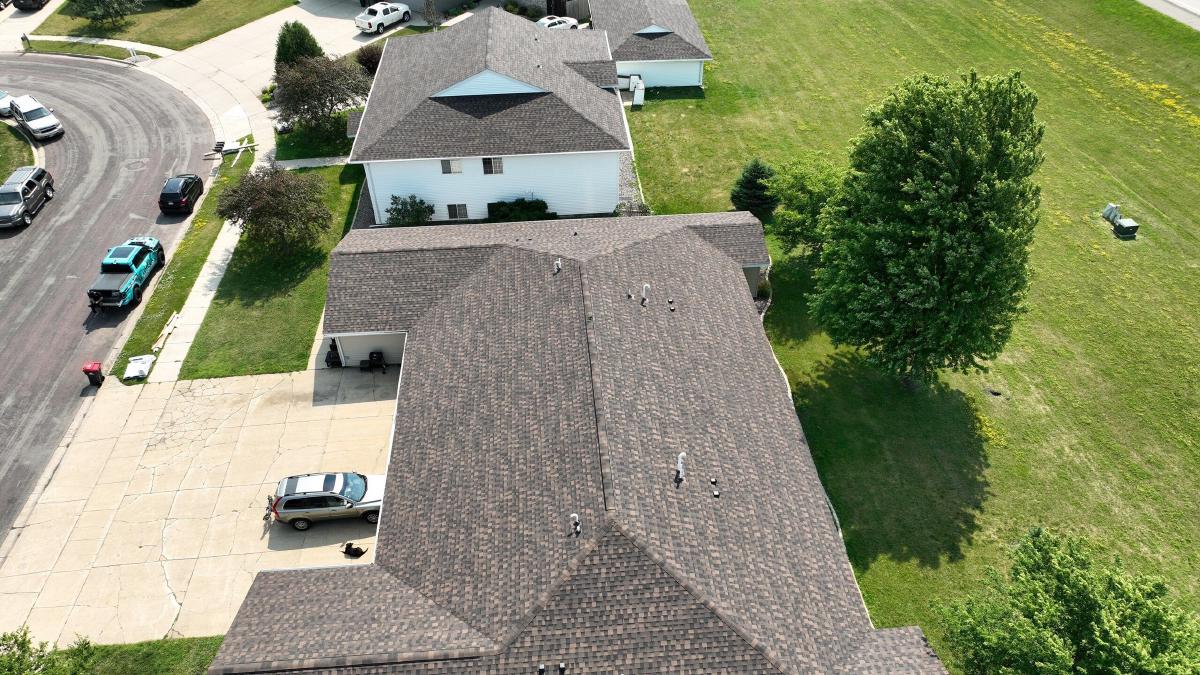
Roof Storm Damage Restoration
Our roof storm damage restoration provides rapid, thorough repairs, using advanced techniques to restore integrity.
Learn more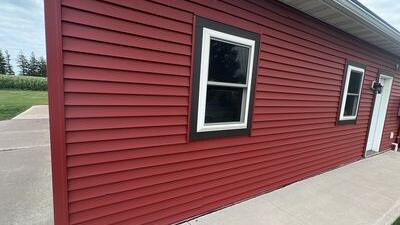
Siding Storm Damage Restoration
Our siding storm damage restoration swiftly repairs and strengthens your home, utilizing expert assessments and superior materials.
Learn more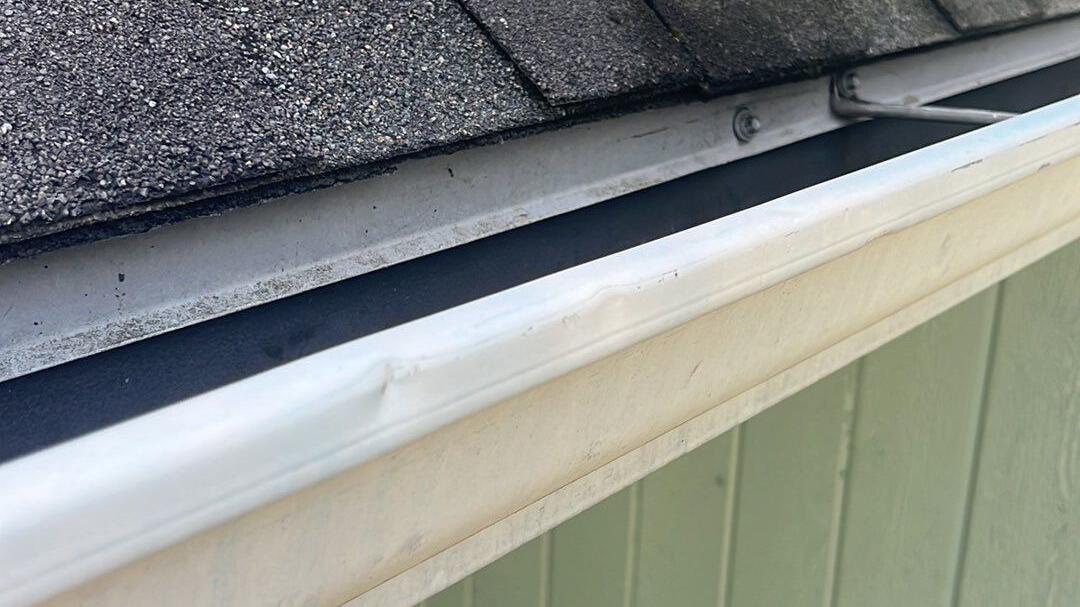
Gutter Storm Damage Restoration
Our gutter storm damage restoration service ensures swift, reliable repairs to protect your home from future issues.
Learn more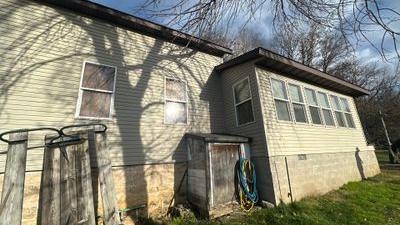
Window Storm Damage Restoration
Our window storm damage restoration swiftly restores your home's security and beauty.
Learn more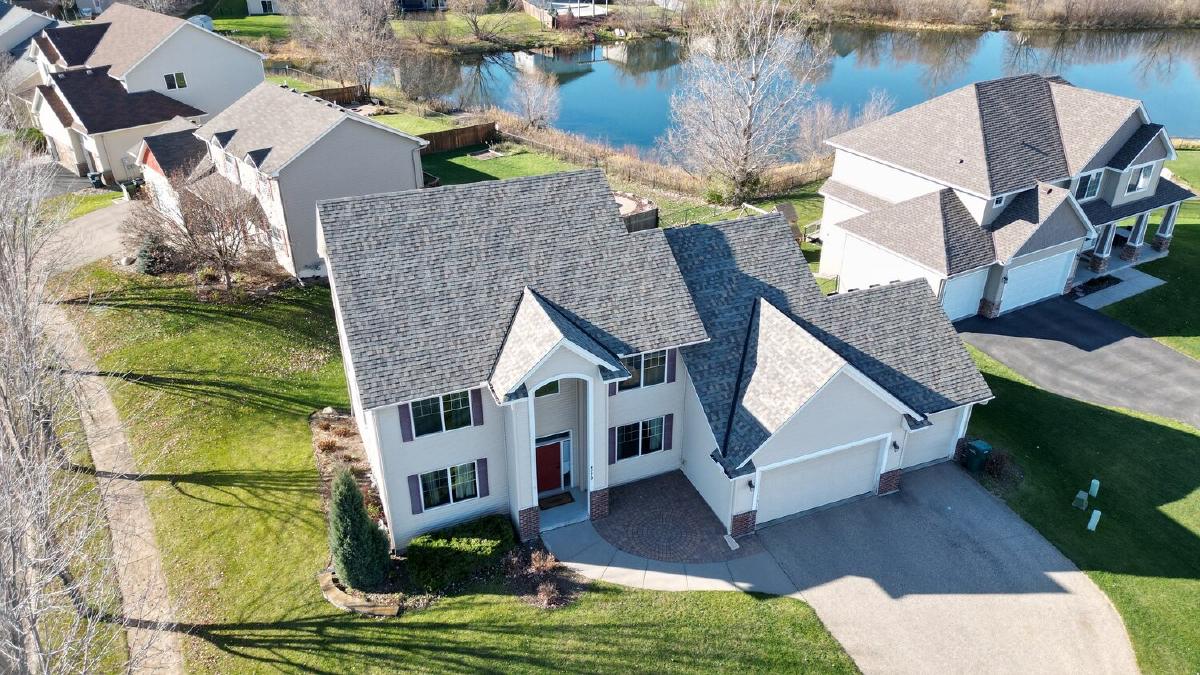
Roof Replacement
Our roof replacement services provide comprehensive solutions using premium materials, enhancing durability and energy efficiency.
Learn more
Guides
Helpful guides
3 guides from Omega Exteriors.
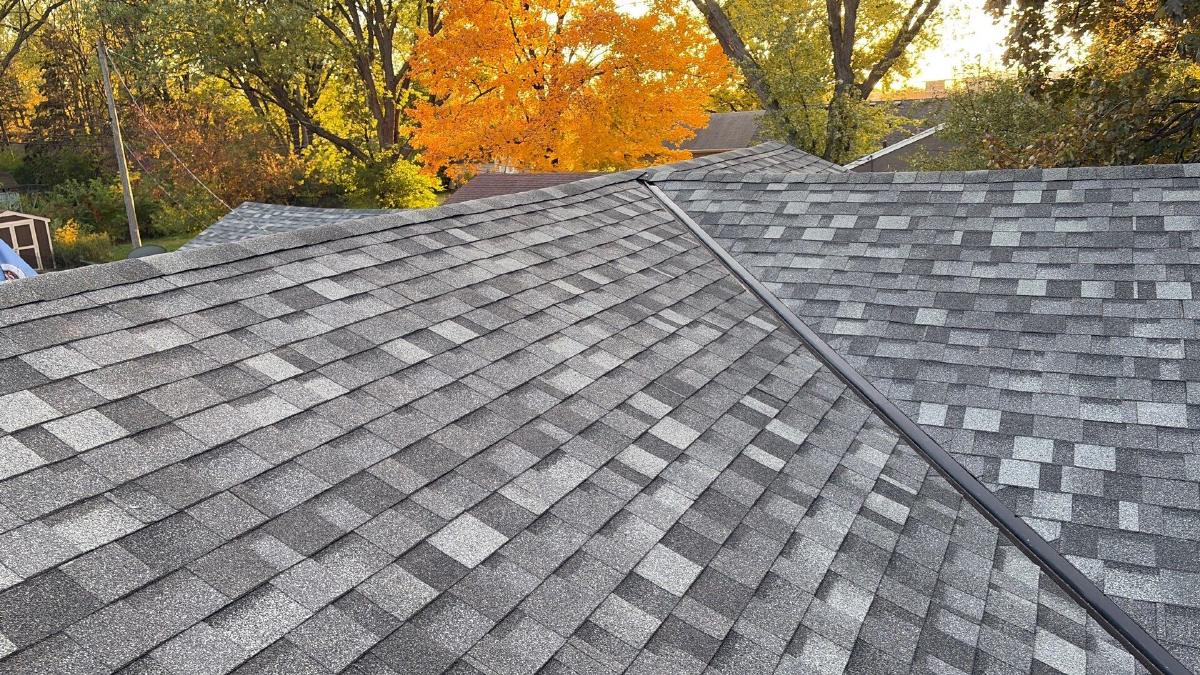
Roof repair or roof replacement: how to decide
How to tell whether your roof needs a repair or a full replacement: its age, the damage, leaks, the roof deck and your plans.
Learn more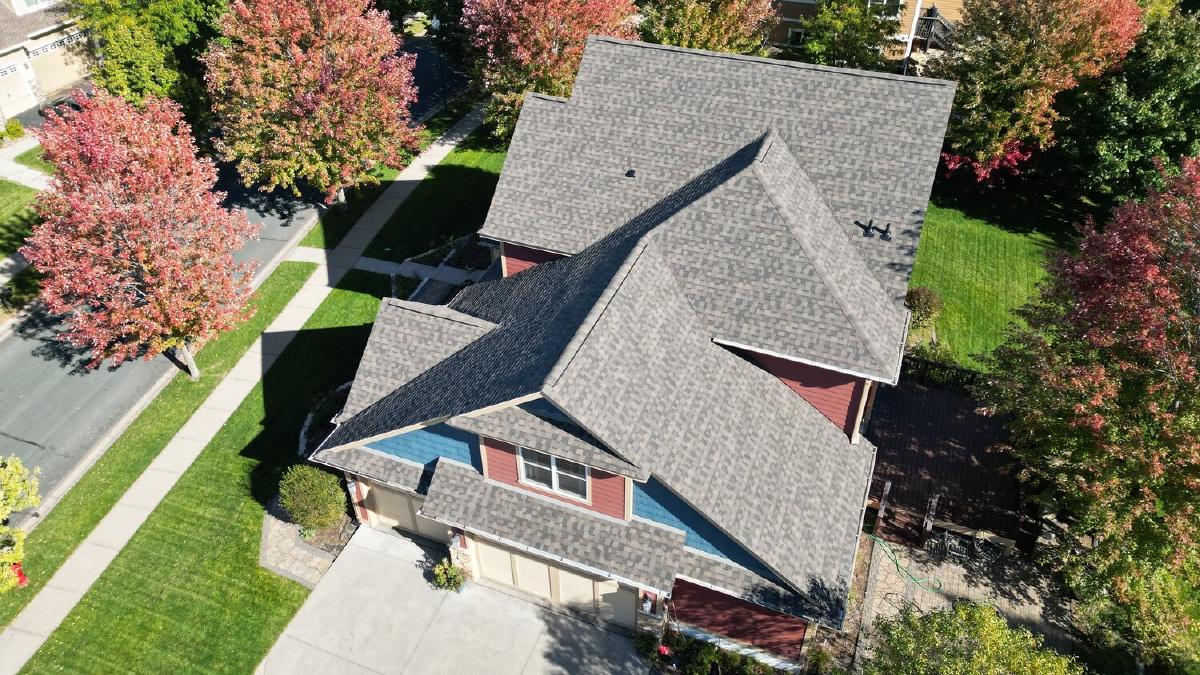
Signs of hail and wind damage on your roof, and what to do first
What hail and wind damage looks like on shingles, gutters, siding and windows, and the first steps to take after a storm.
Learn more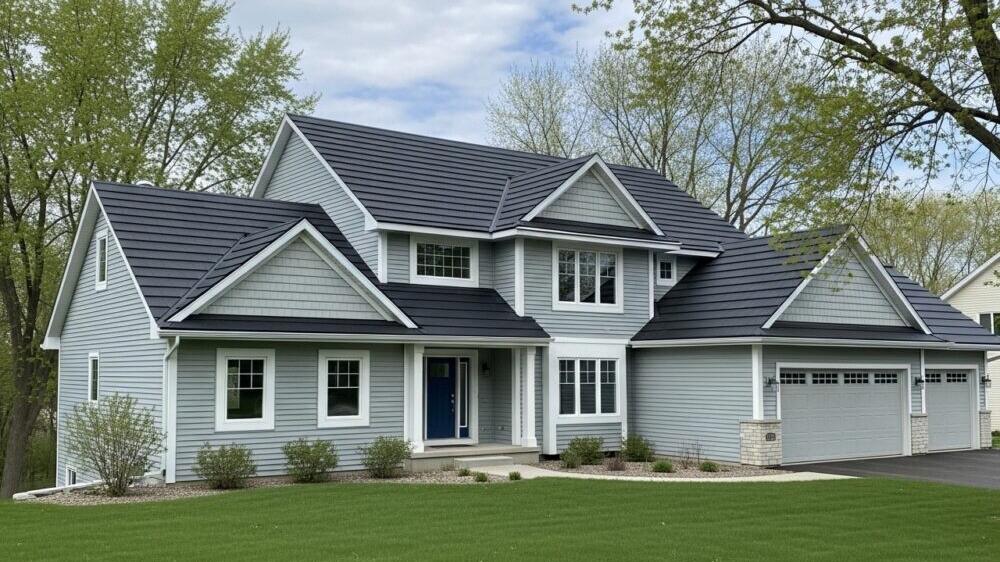
Asphalt, metal or stone-coated steel roofing: how they compare
How asphalt shingles, metal and stone-coated steel roofing compare on look, durability and upkeep, plus synthetic tile and wood shake.
Learn more
FAQ
Frequently asked questions
4 questions and answers.
Does Omega Exteriors repair storm damage, or only replace?
Both. If hail or high winds damaged your roof, Omega Exteriors inspects it and replaces or repairs it, depending on how much of the roof the storm reached. The same goes for siding, gutters and windows.
Can you match my existing shingles or siding?
Often, when the same product is still made. When it is not, the inspection notes it, and replacing a full slope, wall or run is the way to keep the house looking even.
How long does storm damage repair take?
It depends on how much was damaged, the materials you choose and the weather. The estimate from the inspection lists the work, and the schedule is set when you approve it.
Is the storm damage inspection free?
Yes. Omega Exteriors offers a free roof inspection that includes looking for storm damage to the roof, siding, gutters and windows.
Ready when you are
Tell us what you need and we will get back to you — Monday–Friday 7:00 AM–7:00 PM.
Request a free estimate
Tell us about your project
Send a few details and Omega Exteriors will reply by phone or email.