
Guide
Ice dams in Minnesota and Wisconsin winters: causes and prevention
Ice dams are a familiar sight in Minnesota and Wisconsin: a thick ridge of ice along the edge of the roof, often with icicles hanging from the gutters. They look harmless, but the water trapped behind them can work its way under shingles and into walls and ceilings. This guide explains why they form and what helps prevent them.
How an ice dam forms
An ice dam starts with heat. Warm air from the living space leaks into the attic and warms the underside of the roof. Snow on the warm part of the roof melts, even when the outside air is well below freezing, and the water runs down toward the edge.
The edge of the roof, the overhang past the outside wall, has no heated space under it, so it stays cold. When the meltwater reaches it, it refreezes. Day after day, the ice builds into a ridge, and the next round of meltwater pools behind it. Shingles are made to shed water running downhill, not to hold back standing water, so that pooled water can back up under them and leak inside.
Signs you have an ice dam problem
- A thick band of ice along the eaves or in the gutters
- Large icicles, especially with water dripping behind them
- Water stains or damp spots on ceilings or walls near outside walls
- Peeling paint or stains on the soffits and fascia
- Frost or damp insulation in the attic near the eaves
What to do if you have one now
The safest step is to remove snow from the lower part of the roof with a long-handled roof rake while standing on the ground. Less snow means less meltwater feeding the dam. Never climb onto an icy roof, and do not chip at the ice with a hammer, shovel or ice pick: it is easy to break shingles and damage gutters that way.
If water is coming inside, move belongings, catch the drips and take photos. Once the weather allows, have the roof and the attic looked at, because a leak from an ice dam can leave wet insulation and damaged roof decking that you cannot see from inside the house.
Preventing ice dams starts in the attic
Because ice dams come from heat escaping into the attic, the long-term fixes are about keeping the roof deck cold and evenly cold. Gutters and heat cables can help manage the symptoms, but they do not fix the cause.
- Air sealing: close the gaps where warm air leaks into the attic, such as around light fixtures, plumbing and wiring openings, chimneys and the attic hatch.
- Insulation: enough attic insulation, spread evenly, keeps the heat of the house below the ceiling.
- Ventilation: soffit vents at the eaves and vents at or near the ridge let cold outside air flow under the roof, which keeps the roof deck closer to the outdoor temperature.
- Bath and kitchen fans: vent them outdoors, not into the attic, where their warm, moist air adds to the problem.
The roof itself
When a roof is replaced, the details at the eaves matter. In cold climates, roofers commonly install a self-adhering ice and water barrier along the eaves and in valleys, under the shingles, so that water backed up by an ice dam has a harder time getting into the house. A replacement is also the time to check the roof deck along the edges for water damage from past winters and to improve roof ventilation.
Material matters less than the attic, but some roofs shed snow more easily than others. A metal roof lets snow slide off, which can reduce the snow load that feeds an ice dam. If you are planning a roof replacement, ask how the eaves, underlayment and ventilation will be handled.
Gutters and ice
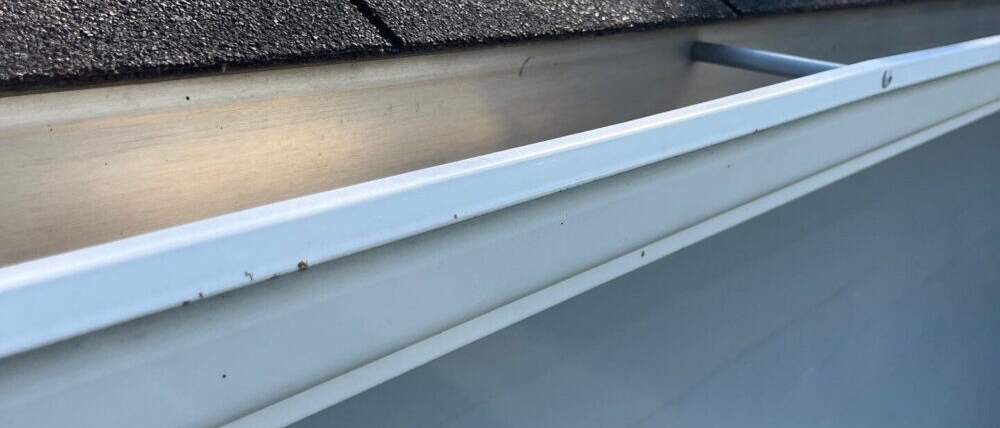
Gutters do not cause ice dams, but clogged gutters full of leaves can freeze solid and make the problem worse at the edge of the roof. Clean gutters in the fall, make sure downspouts drain away from the house, and fix gutters that sag or pull away from the fascia. Seamless gutters and gutter guards help keep the system clear; our gutter guide has more.
If ice dams have caused leaks or damage, Omega Exteriors can inspect the roof and the gutters and explain the options. Call (651) 998-8500 or request a free estimate.
Services
Services and products in this guide
5 pages this guide links to.

Roof Replacement
Our roof replacement services provide comprehensive solutions using premium materials, enhancing durability and energy efficiency.
Learn more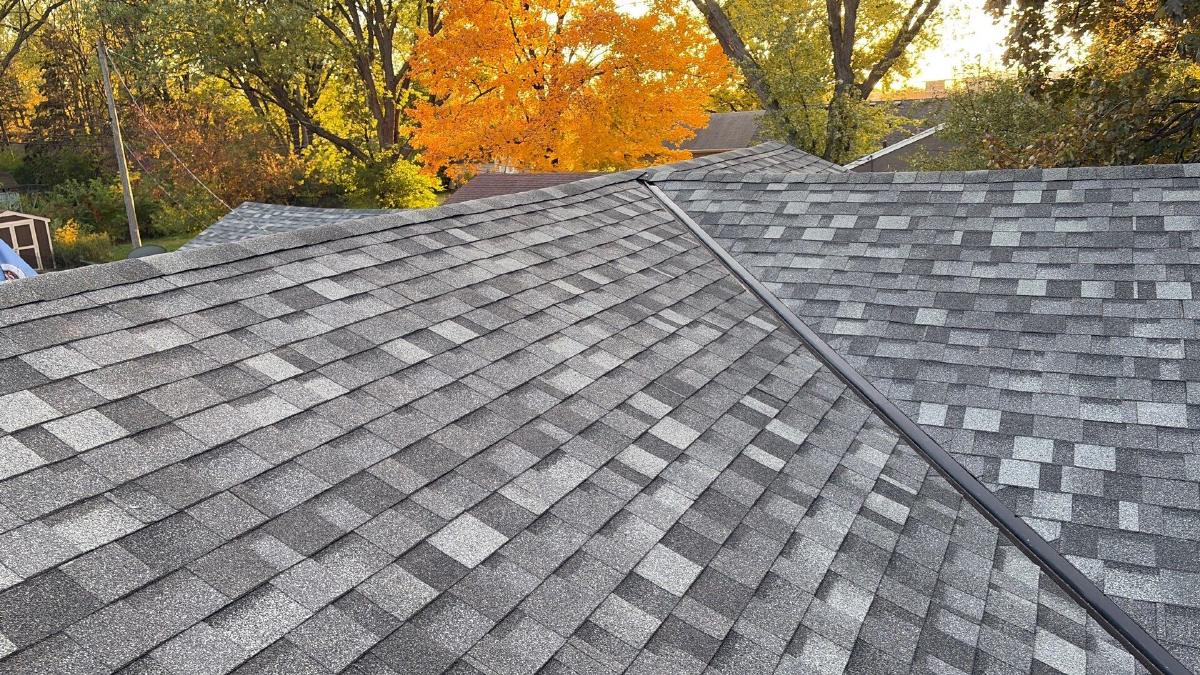
Roof Repair
Our roof repair services swiftly address issues, utilizing expert assessments and durable materials to restore integrity.
Learn more
Metal Roofs
We employ metal roofs for their exceptional durability and energy efficiency, offering a sleek appearance.
Learn more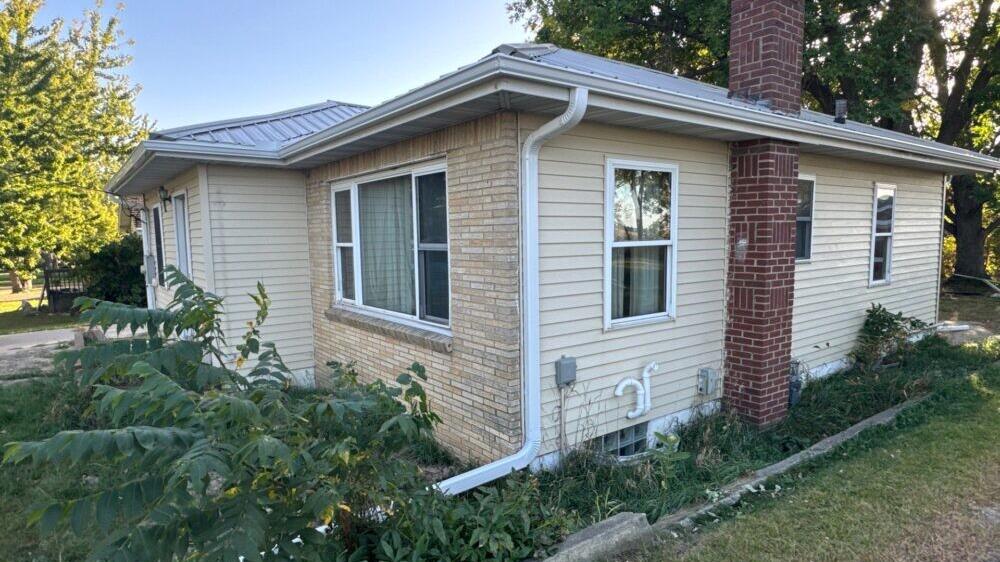
Seamless Gutters
Our seamless gutters offer a sleek, leak-resistant design that enhances your home's appearance and efficiently directs water away.
Learn more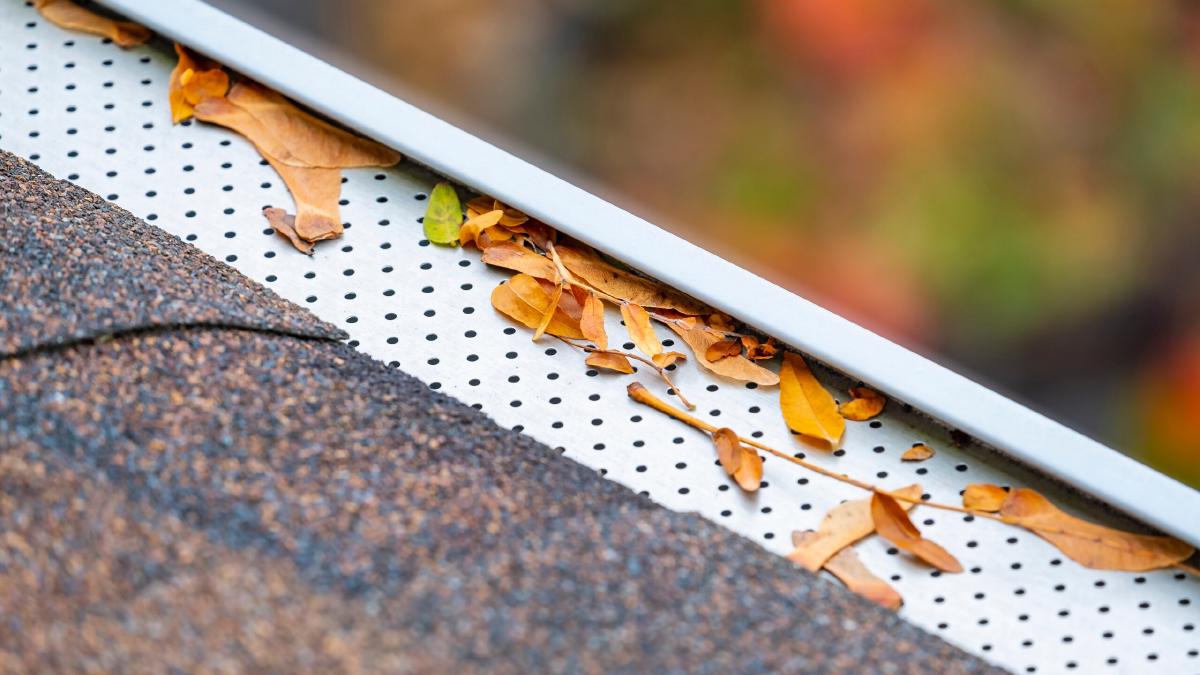
Gutter Guards
Gutter Guards provide unmatched clog protection with advanced mesh technology, ensuring efficient water drainage.
Learn more
Guides
Helpful guides
3 guides from Omega Exteriors.
Roof repair or roof replacement: how to decide
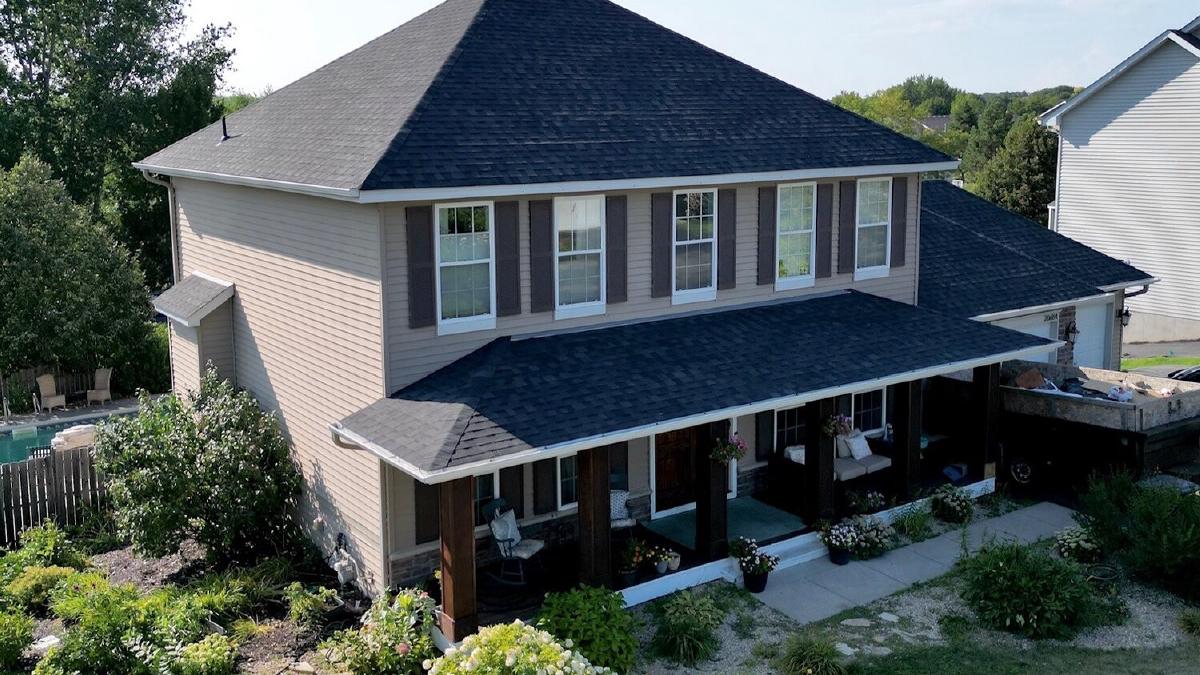
How to tell whether your roof needs a repair or a full replacement: its age, the damage, leaks, the roof deck and your plans.
Learn more
Asphalt, metal or stone-coated steel roofing: how they compare
How asphalt shingles, metal and stone-coated steel roofing compare on look, durability and upkeep, plus synthetic tile and wood shake.
Learn more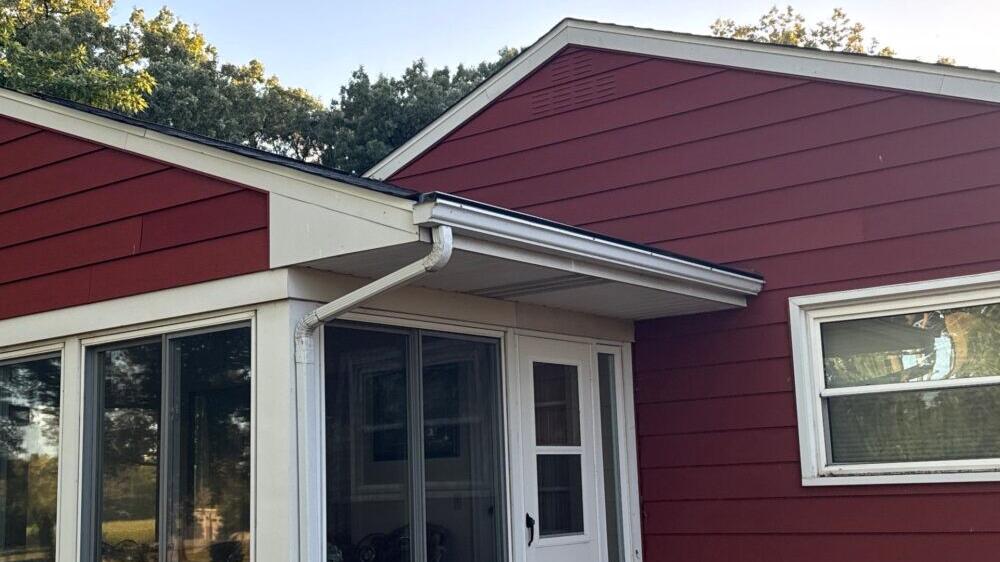
Seamless gutters and gutter guards: do you need them?
What seamless gutters are, how gutter guards work, whether your home needs them, and the gutter problems to watch for.
Learn more
FAQ
Frequently asked questions
4 questions and answers.
Are icicles a sign of an ice dam?
Not always, but large icicles along the eaves, especially with water dripping behind them or a ridge of ice in the gutters, often mean an ice dam is forming. Look for stains on ceilings and walls near outside walls as well.
Should I chip ice off my roof?
No. Chipping or hammering at ice can break shingles and damage gutters, and climbing on an icy roof is dangerous. Removing snow from the lower part of the roof with a roof rake from the ground is a safer step.
Do heat cables stop ice dams?
Heat cables can keep channels open so meltwater can drain, but they treat the symptom rather than the cause. Air sealing, insulation and ventilation in the attic address why the ice dam forms in the first place.
Can a new roof prevent ice dams?
A new roof can add protection, such as an ice and water barrier at the eaves and better ventilation, but ice dams start with heat escaping into the attic. The best results come from fixing the attic and the roof together.
Ready when you are
Tell us what you need and we will get back to you — Monday–Friday 7:00 AM–7:00 PM.
Request a free estimate
Tell us about your project
Send a few details and Omega Exteriors will reply by phone or email.