

Winter roof damage
Ice Dam Damage: What to Do Now and What to Fix After the Thaw
A brown stain spreading across the ceiling in February, right under a thick ridge of ice on the eaves, means meltwater has found a way in. The stain is the part you can see. Behind it, water may be sitting in the insulation, soaking the roof boards and running along a rafter to a spot several feet from where it shows. This article covers what to do the day you find the leak, what an ice dam damages on the roof and inside the house, which repairs can wait for a thaw and which cannot, and how to stop the next dam from forming.
How an ice dam lets water in
An ice dam is a ridge of ice along the lower edge of the roof. Snow higher up melts on a roof deck warmed by heat from the house, the water runs down to the cold overhang and freezes again, and each day the ridge grows. Water pooling behind it has nowhere to go but sideways and up, under the shingles, which are made to shed water running down the slope, not to hold back a puddle.
Our guide to ice dams in Minnesota and Wisconsin winters explains the causes in detail. This article starts where that guide leaves off: the dam has already leaked.
What ice dams damage: the roof, the gutters and the rooms below
On the roof, water backing up under the shingles soaks the underlayment and the wood deck beneath it. A deck that stays wet through a winter can soften, and nails can rust loose. The ice itself does damage too: its weight bends gutter hangers and pulls gutters away from the fascia, and the shingles along the eaves can crack or lift where the ice froze to them.
Inside, the list is longer:
- Drywall or plaster ceilings that stain, bubble or sag where water collects
- Insulation that packs down when wet and stops keeping heat in, which makes the next dam worse
- Paint and wallpaper on outside walls, where water can run down inside the wall
- Window trim and sills below the eaves
- Mold, if wet insulation or drywall is not dried out within a few days
What to do the day you find a leak
The first job is to limit the damage. Move furniture, rugs and belongings out of the way and catch drips in a bucket. If water is pooling in a ceiling that has started to sag, keep people out from under it.
Then take stock while the evidence is fresh:
- Take photos and video of the stains, wet spots and drips inside, and of the ice ridge and icicles from the ground.
- Write down when you first noticed the water and how it has changed since.
- If the attic is safe to enter, look for wet insulation and frost or water on the underside of the roof boards.
- Pull snow off the lower part of the roof with a roof rake used from the ground, which slows the meltwater feeding the dam.
Stay off an icy roof, and do not chip at the ice with a hammer, an axe or a shovel. Chipping cracks shingles and dents gutters, and it can turn a leak that needed a few new shingles into a much bigger job. Salt and de-icers poured onto the roof can stain siding and harm plants below.
Repairs that can wait for a thaw, and repairs that cannot
Drying out cannot wait. Wet insulation should be pulled back or removed, and fans and a dehumidifier will dry the drywall and framing faster than winter air will. A ceiling is repaired and repainted only after it is completely dry, or the stain comes back.
Work on the roof depends on the weather. Shingles do not seal well in deep cold, and an icy roof is not a safe place to work, so many ice dam repairs are planned for a mild winter day or for spring. If water is still getting in before then, a temporary measure, such as clearing a channel through the ice or removing snow from the lower roof, can keep the leak in check. Once the snow is gone, the eaves can be inspected properly: lifted or cracked shingles, soaked underlayment, a soft deck and bent gutters all show up then.
Fixing the cause: ventilation, insulation and flashing
The ceiling can be fixed in a day, but the next thaw will bring the next leak unless the cause is fixed. Ice dams start with heat escaping into the attic, so the lasting repairs are about keeping the roof deck cold and even: air sealing around light fixtures, pipes and the attic hatch, enough insulation on the attic floor, soffit vents that are not blocked, and exhaust at the ridge. Flashing where the roof meets a wall or a chimney is checked too, since a gap there leaks in any season.
At the roof edge, an ice and water barrier under the first courses of shingles is the backstop. It is a self-sealing membrane that closes around nails and holds back water that gets past the shingles. Many older roofs were installed without one, and a replacement is the time to add it. Gutters play a supporting part: a trough packed with leaves and ice gives meltwater nowhere to go, which is why many homeowners pair roof work with clean, well-pitched gutters and gutter guards.
When Omega Exteriors can help with the repair
Omega Exteriors repairs and replaces roofs across Minnesota and Wisconsin, and a roof repair after the weather breaks is often how an ice dam story ends: damaged shingles replaced, flashing redone, and the attic and eaves looked at for the ventilation problems that set the dam up. When the deck is soft or the roof is near the end of its life, a roof replacement is the time to add a continuous ice and water barrier along the eaves.
To set up a visit, contact us or request a free estimate and tell us where the water showed up and when.
Services
Pages this one connects to
4 pages this guide links to.
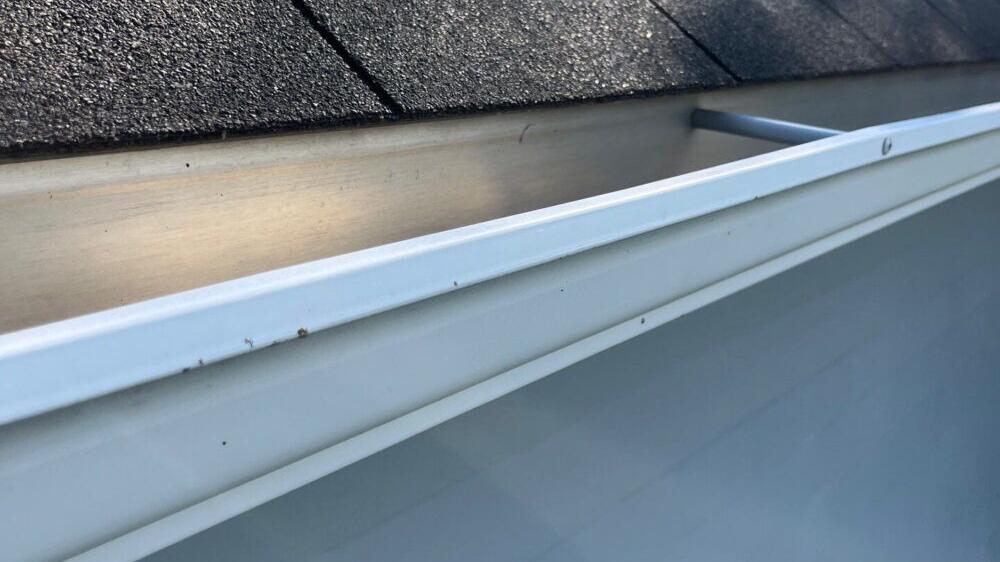
Ice dams in Minnesota and Wisconsin winters: causes and prevention
Learn more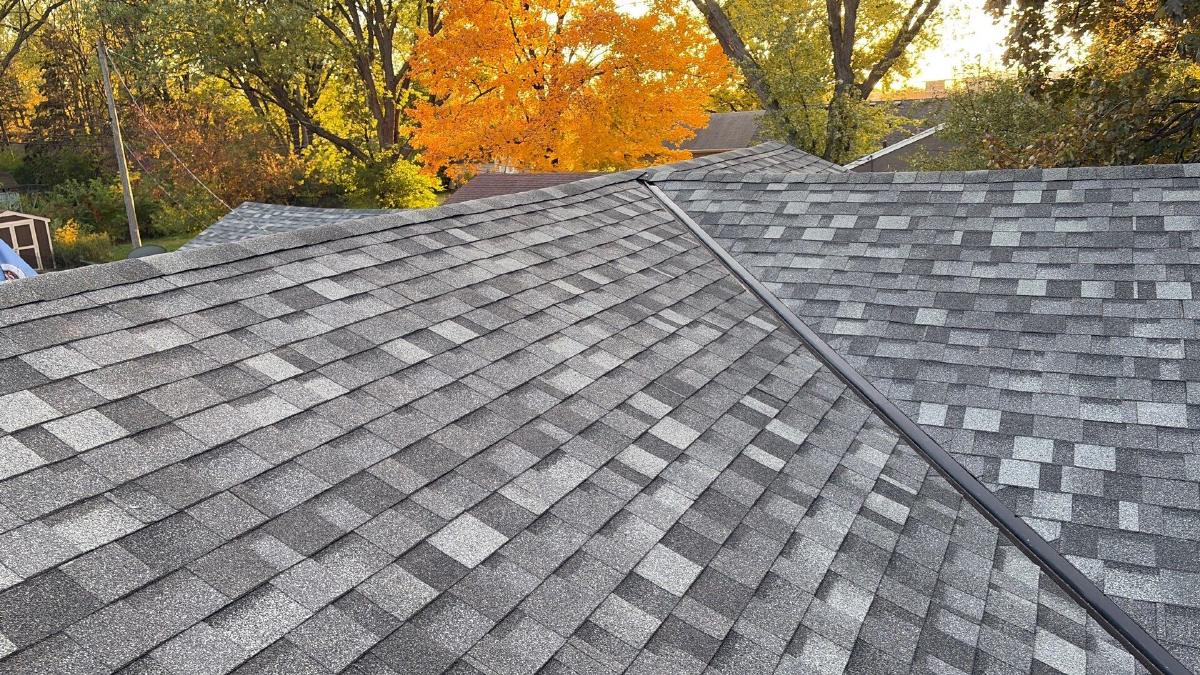
Roof Repair
Our roof repair services swiftly address issues, utilizing expert assessments and durable materials to restore integrity and prolong lifespan, ensuring peace of mind and protecting your investment.
Learn more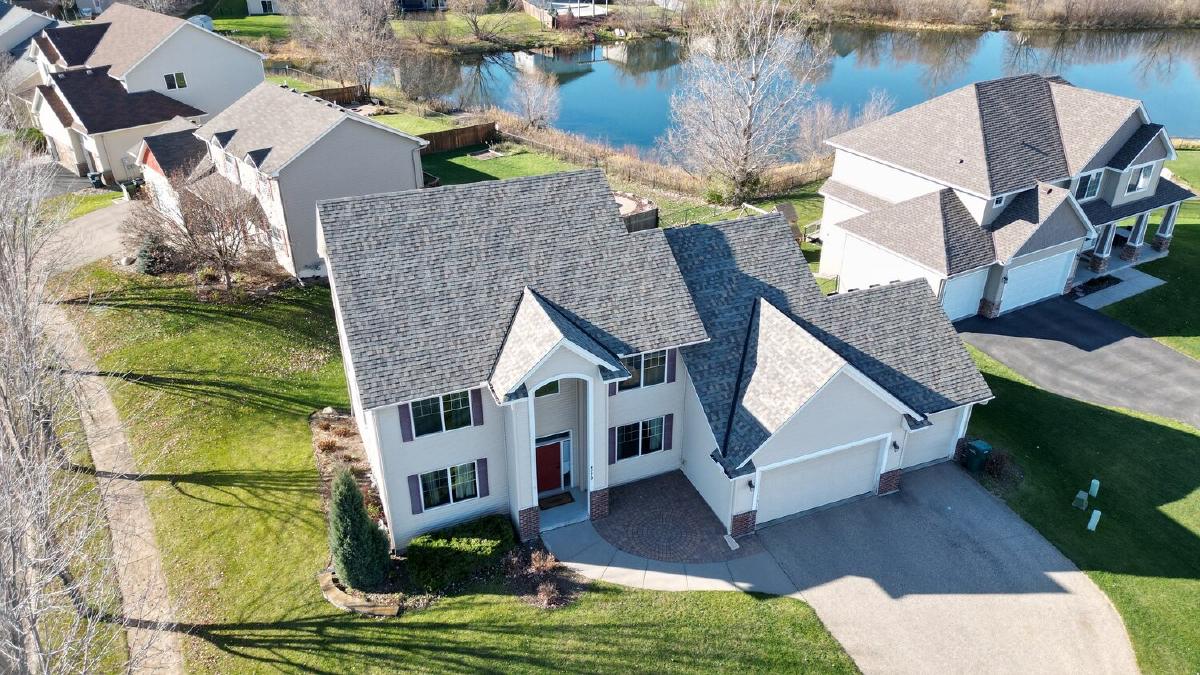
Roof Replacement
Our roof replacement services provide comprehensive solutions using premium materials, enhancing durability and energy efficiency.
Learn more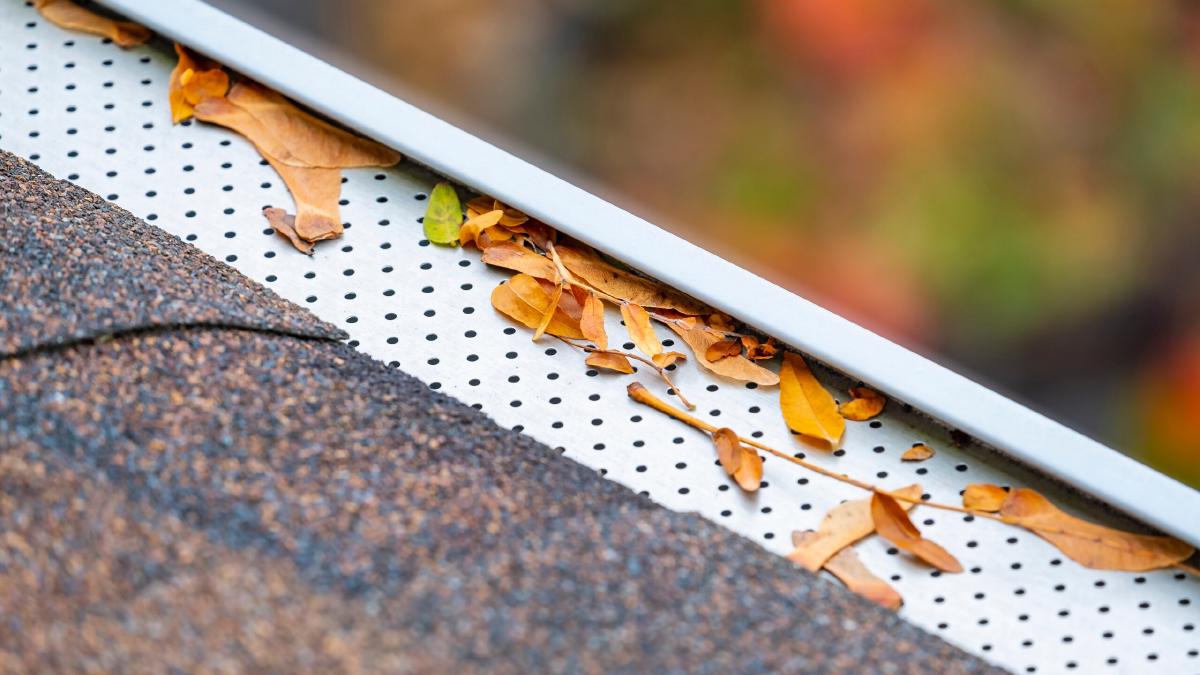
Gutter Guards
Gutter Guards provide unmatched clog protection with advanced mesh technology, ensuring efficient water drainage.
Learn more
Guides
Helpful guides
3 guides from Omega Exteriors.
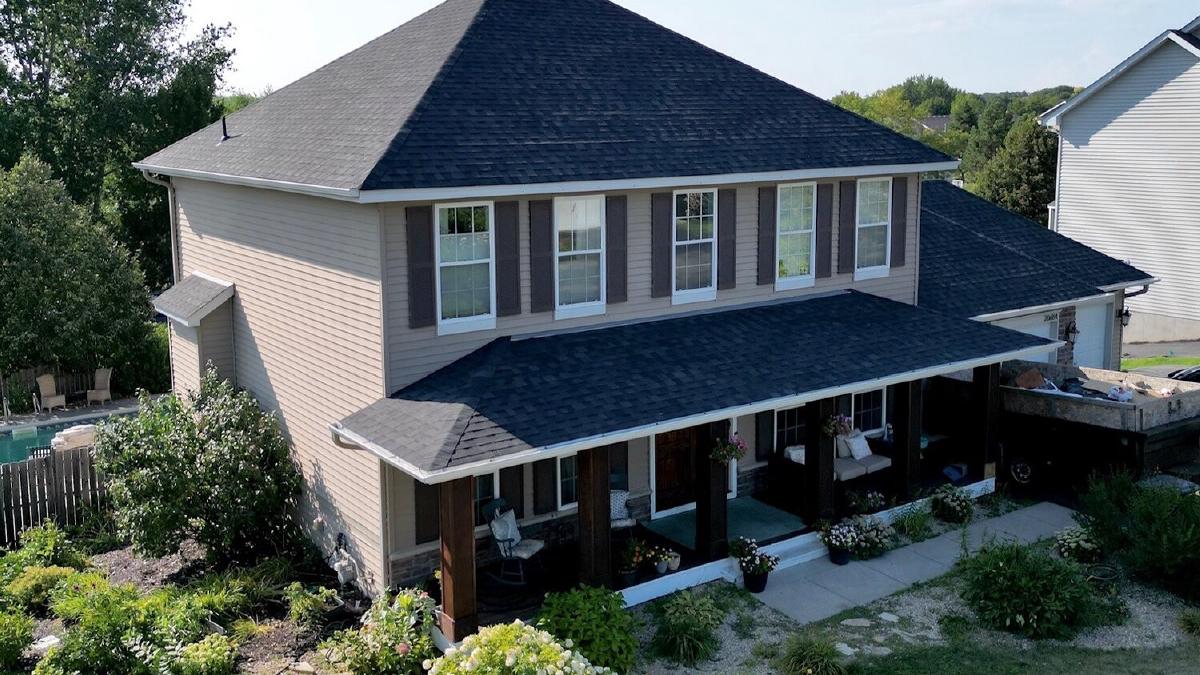
Roof repair or roof replacement: how to decide
How to tell whether your roof needs a repair or a full replacement: its age, the damage, leaks, the roof deck and your plans.
Learn more
Asphalt, metal or stone-coated steel roofing: how they compare
How asphalt shingles, metal and stone-coated steel roofing compare on look, durability and upkeep, plus synthetic tile and wood shake.
Learn more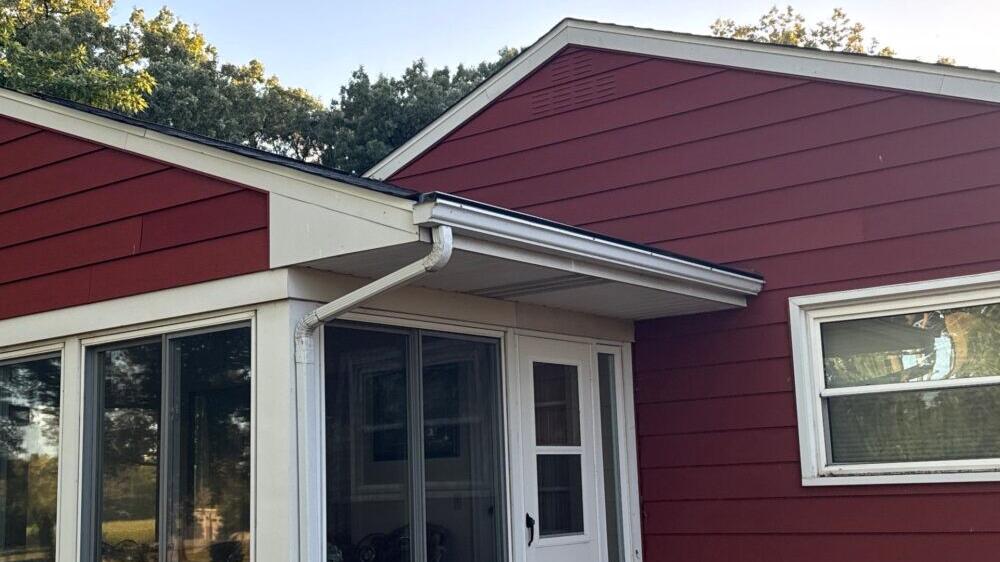
Seamless gutters and gutter guards: do you need them?
What seamless gutters are, how gutter guards work, whether your home needs them, and the gutter problems to watch for.
Learn more
FAQ
Frequently asked questions
3 questions and answers.
Can an ice dam damage a newer roof?
Yes. An ice dam forms because of heat in the attic and snow on the roof, not because of the roof's age. Roofs built with an ice and water barrier along the eaves are better protected, but a large dam can still push water past it.
Should I remove an ice dam myself?
Clear snow from the lower roof with a roof rake from the ground, but leave the ice itself alone. Chipping at it from a ladder is dangerous and damages shingles and gutters.
Will the leak stop when the ice melts?
The dripping usually stops, but wet insulation and roof boards can stay damp for weeks. Check the attic, dry out what got wet, and have the eaves looked at once the snow is gone.
Ready when you are
Tell us what you need and we will get back to you — Monday–Friday 7:00 AM–7:00 PM.
Request a free estimate
Tell us about your project
Send a few details and Omega Exteriors will reply by phone or email.