
Guide
Commercial and flat roofing: TPO and EPDM explained
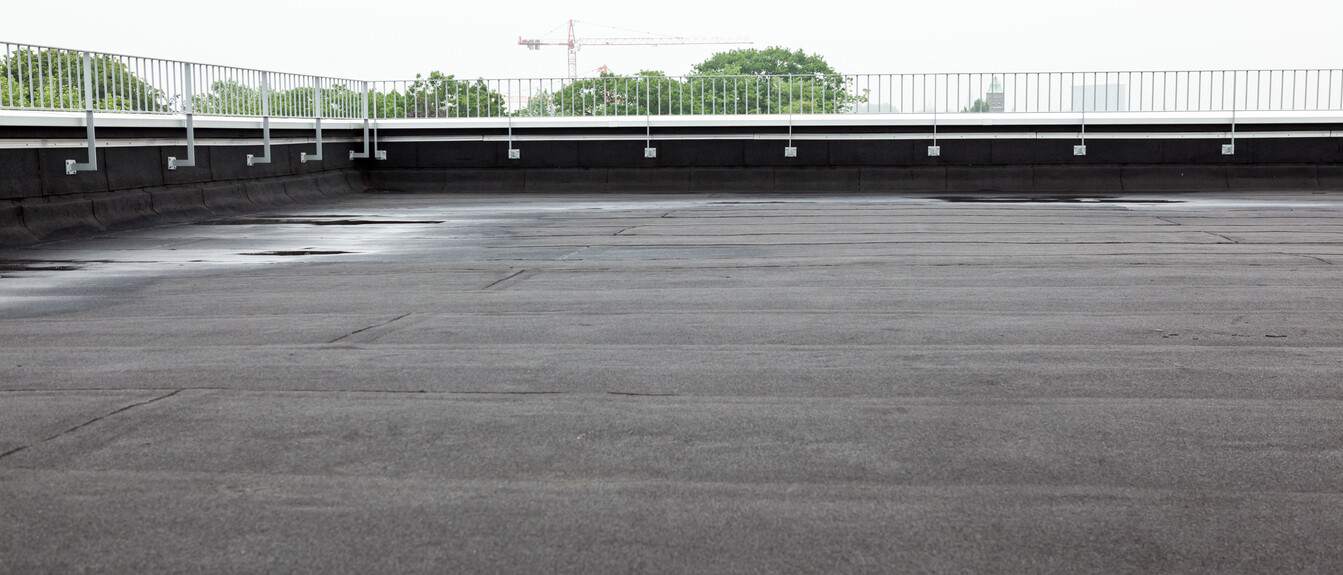
Flat and low-slope roofs are built differently from shingled roofs. Instead of overlapping shingles, they are covered with a continuous membrane that keeps water out. The two membranes you will hear about most are TPO and EPDM. This guide explains what each one is, how they differ and how to choose.
Why flat roofs need a membrane
A pitched roof sheds water quickly, so shingles can overlap and let gravity do the work. A flat roof is not truly flat, since it has a slight slope toward drains or gutters, but water moves slowly across it and can sit in low spots. That is why low-slope roofs are covered with a single, continuous sheet, joined at the seams so water has no gaps to find.
Flat roofs are common on commercial buildings, apartment buildings, garages, porches and additions. Omega Exteriors installs commercial and flat roofing using TPO and EPDM membranes, for both homes and businesses.
What TPO is
TPO, short for thermoplastic polyolefin, is a single-ply roofing membrane, usually white or light in color. Because the surface is reflective, it absorbs less of the sun's heat, which can help keep a building cooler in summer. Omega Exteriors describes TPO as resistant to UV exposure, punctures and chemicals.
One of TPO's strengths is how its seams are joined. On Omega Exteriors' TPO installations, the roof is inspected, the surface is prepared clean and dry, the membrane is laid and secured with mechanical fasteners or adhesive, and all seams are heat-welded for a watertight finish. A heat-welded seam fuses the two sheets into one.
What EPDM is
EPDM, short for ethylene propylene diene monomer, is a synthetic rubber membrane, usually black. It has been used on flat roofs for decades. As Omega Exteriors explains in The Benefits of EPDM Roofing, EPDM resists UV rays, ozone and extreme weather, and it stays flexible through temperature swings, so it handles cold winters and hot summers without cracking.
EPDM seams are joined with adhesives and seam tapes rather than heat. Installation starts with an assessment of the roof and careful preparation of the surface so the membrane bonds well.
TPO and EPDM side by side
- Color: TPO is usually white and reflects heat; EPDM is usually black and absorbs it.
- Seams: TPO seams are heat-welded; EPDM seams are joined with adhesive and tape.
- Flexibility: EPDM is a rubber membrane known for staying flexible in the cold; TPO is a stiffer plastic sheet.
- Summer heat: a reflective TPO roof can help buildings that run air conditioning; a dark EPDM roof gains more heat from the sun.
- Use: both are installed on commercial buildings and on flat roofs of homes.
How to choose for your building
The right membrane depends on the building more than on the material. A building that is cooled in summer may benefit from a reflective TPO roof. A roof with a lot of rooftop equipment or foot traffic needs a membrane and installation that can handle it. The condition of the existing roof matters too: whether the old roof can be removed cleanly, whether the insulation underneath is dry, and whether water drains properly or sits in low spots.
For a business or an apartment building, timing and disruption matter as much as the material. Omega Exteriors' commercial roofing process begins with an assessment of the project and the existing structure, followed by a plan built with the client, the installation, and a quality check at the end. For HOAs and apartment communities, see multi-family and HOA roofing.
- Is the building cooled in summer?
- How much rooftop equipment and foot traffic does the roof see?
- Does water drain well, or does it pond in low spots?
- What is under the current roof: is the insulation dry?
- How will the work be scheduled around the people using the building?
Caring for a flat roof
Flat roofs last longest when someone looks at them regularly. Keep drains and scuppers clear of leaves and debris, watch for standing water that remains well after rain, and have seams and flashing around equipment and walls checked, especially after a storm. Small problems on a flat roof are much easier to fix before water gets into the insulation below.
To talk through a flat or commercial roof, call (651) 998-8500 or request a free estimate.
Services
Services and products in this guide
3 pages this guide links to.
Commercial & Flat Roofing
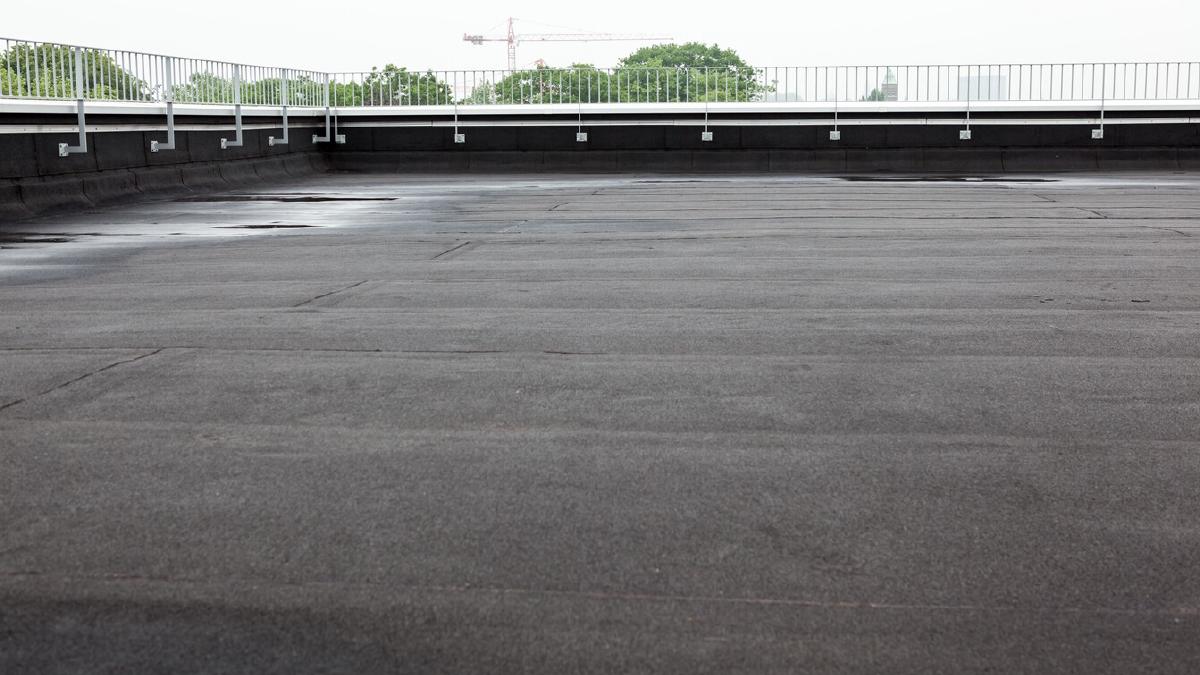
Flat roofs offer versatile design and practicality, providing easy access and space optimization, perfect for commercial buildings.
Learn more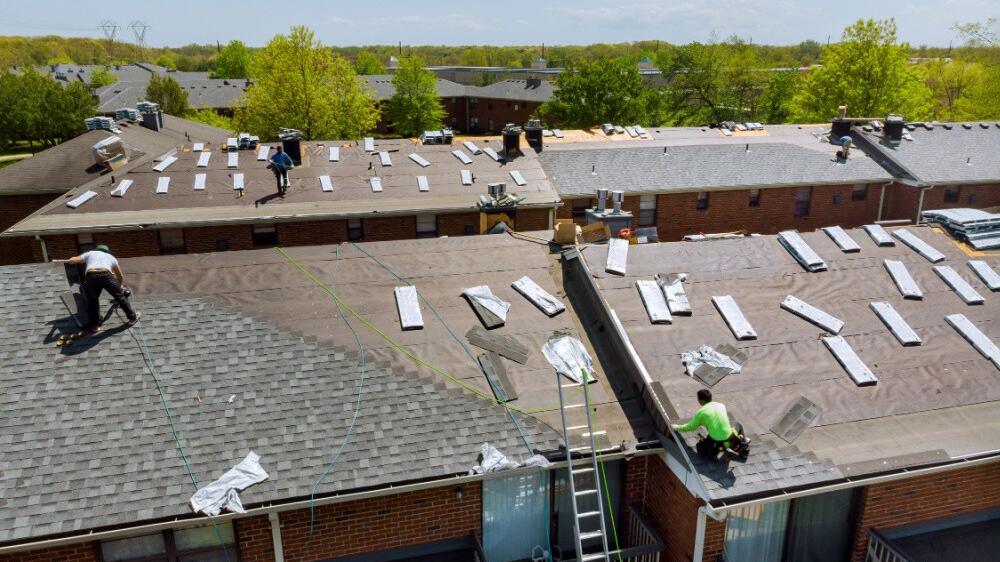
Commercial Roofing
Our commercial roofing services deliver robust, tailored solutions focused on durability and energy efficiency, catering.
Learn more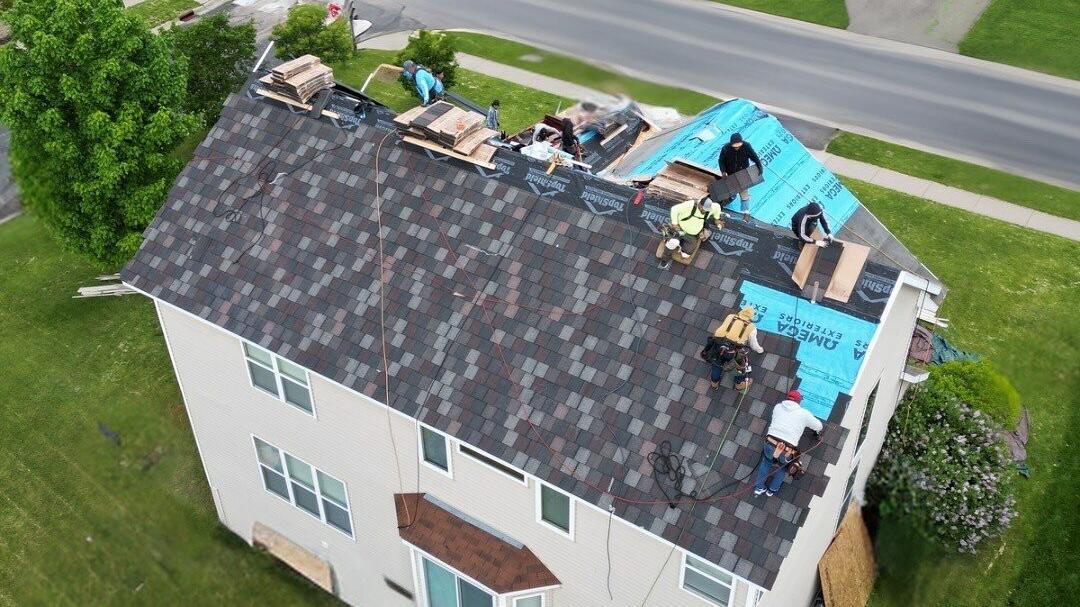
Roof Installation
Our roof installation services offer expert craftsmanship with customized design options, ensuring precise fittings.
Learn more
Guides
Helpful guides
3 guides from Omega Exteriors.
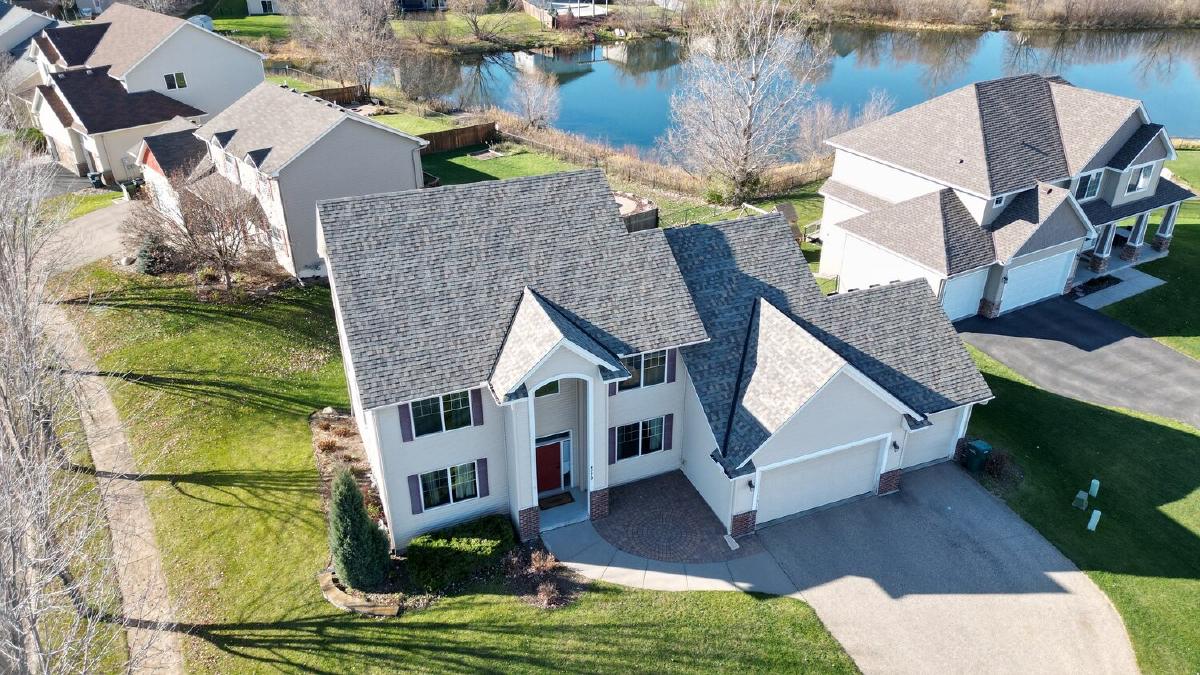
What to expect during a roof replacement, step by step
A roof replacement step by step: the estimate, choosing materials, getting the house ready, tear-off, installation and cleanup.
Learn more
Storm damage restoration
Learn more
Roof repair or roof replacement: how to decide
How to tell whether your roof needs a repair or a full replacement: its age, the damage, leaks, the roof deck and your plans.
Learn more
FAQ
Frequently asked questions
4 questions and answers.
Is TPO or EPDM better?
Neither is better for every building. TPO's reflective surface and heat-welded seams suit many commercial buildings, while EPDM's rubber membrane is valued for its flexibility in cold weather. The building's use, rooftop traffic and existing roof usually decide it.
Can a house have a TPO or EPDM roof?
Yes. Both membranes are used on the flat and low-slope parts of homes, such as porches, garages, additions and dormers, as well as on commercial buildings.
Is it normal for water to stand on a flat roof?
A little water that dries within a day or two after rain is common. Water that sits much longer points to a drainage problem worth having checked, because standing water puts extra strain on the membrane and seams.
Does Omega Exteriors install flat roofs for businesses?
Yes. Omega Exteriors provides commercial roofing, including TPO and EPDM membrane roofing, for commercial buildings as well as flat roofs on homes, in Minnesota and Wisconsin.
Ready when you are
Tell us what you need and we will get back to you — Monday–Friday 7:00 AM–7:00 PM.
Request a free estimate
Tell us about your project
Send a few details and Omega Exteriors will reply by phone or email.