

Windows guide
Energy-Efficient Windows for Minnesota and Wisconsin Winters
On a January night in Minnesota or Wisconsin, a window is the coldest surface in most rooms. Even a good wall loses heat slowly, while an old single-pane or failed double-pane window can let warmth pour out and cold air slide down the glass onto the floor. Replacing windows is one of the clearest comfort upgrades a northern home can make, but only if the new windows are chosen for the climate. This guide explains the ratings on a window label, the glass options that matter here, why windows frost on the inside, and why the installation counts as much as the window itself.
What the ratings mean
Every certified window carries a label from the National Fenestration Rating Council with a few numbers on it. Two of them do most of the work in a cold climate.
U-factor measures how quickly heat passes through the whole window, glass and frame together. Lower is better. In the north, U-factor is the single most useful number to compare, because keeping heat inside for months at a time is the main job.
Solar heat gain coefficient, or SHGC, measures how much of the sun's heat comes through the glass. Lower numbers block more sun. In a heating climate a moderate SHGC can help on south-facing walls in winter, which is one reason cold-climate criteria put less weight on it than southern ones do.
ENERGY STAR divides the country into climate zones and sets the qualifying ratings for each. Minnesota and Wisconsin fall in the northern zone, which has the strictest U-factor requirement. Because the criteria are updated from time to time, check the current northern-zone numbers on the ENERGY STAR website and look for the northern zone on the label of any window you are comparing.
Double pane, triple pane, low-E and gas fill
Most efficient windows reach their ratings with the same few ingredients.
- Low-emissivity (low-E) coatings are microscopically thin metal layers on the glass that reflect heat back into the room while letting light through.
- Gas fills, usually argon and sometimes krypton, replace the air between the panes with a heavier gas that slows heat transfer.
- Warm-edge spacers separate the panes with materials that conduct less cold to the edge of the glass, where condensation usually starts.
- Triple-pane glass adds a third layer and a second gas-filled space, which lowers the U-factor further.
Triple-pane windows are heavier and cost more than double-pane ones, and the gain depends on the house. They make the most sense on large windows, on north and windward walls, and in rooms where you sit near the glass. A well-made double-pane window with low-E glass and a gas fill can also meet the northern-zone criteria, so it is worth comparing labels rather than counting panes.
Drafts, frost and condensation: window problem or humidity?
Frost or water on the inside of the glass in winter is the most common window complaint in the north, and it is not always the window's fault. Warm indoor air holds moisture. When it touches a cold surface it gives up that moisture as condensation, and below freezing the condensation becomes frost. The colder the glass and the more humid the house, the more it happens.
A few clues help sort it out. Condensation between the panes of a sealed window means the seal has failed, and that window will not improve on its own. Frost along the bottom edge of the glass on the coldest nights, with dry glass the rest of the time, is usually humidity; running bathroom and kitchen fans, keeping indoor humidity moderate in deep cold, and letting air reach the window by opening blinds can help. Drafts you can feel around the sash, or frost on the frame itself, point to worn weatherstripping or air leaking around the window where it meets the wall.
New, efficient windows keep the inside pane warmer, which reduces condensation. They will not cure a house that is simply too humid, so it is worth checking both.
Installation matters as much as the glass
A window is only as efficient as the opening it sits in. The gap between the new frame and the rough opening has to be filled with insulation and sealed against air, and the outside has to be flashed so water running down the wall is turned away from the framing. Skipping either step leaves a well-rated window surrounded by a draft.
The other installation choice is how much to replace. An insert window fits inside the existing frame and is quicker, but it keeps the old frame and whatever is behind it. A full-frame replacement removes the old unit down to the rough opening, which lets the installer inspect the framing, fix rot in the sill and air seal properly. Older homes in particular tend to benefit from the second approach. Our guide to window replacement covers when it is time to replace and what to look for.
Windows Omega Exteriors installs
Omega Exteriors provides window replacement and new window installation for homes in Minnesota and Wisconsin. The brands we install include Marvin, Thermotech and Pella, and each makes lines at several levels of efficiency, so a free estimate is the time to compare labels for your house. For an example of local window work, see our page on window replacement in Stillwater.
Rebates, credits and financing
Utilities in Minnesota and Wisconsin sometimes offer rebates for efficient windows, and federal tax rules on energy-efficient home improvements change over time. Check your utility's current programs and the IRS and ENERGY STAR pages before you buy, since eligibility usually depends on the exact product and the date it is installed. Omega Exteriors also offers financing; the current terms are on our financing page.
Services
Pages this one connects to
4 pages this guide links to.
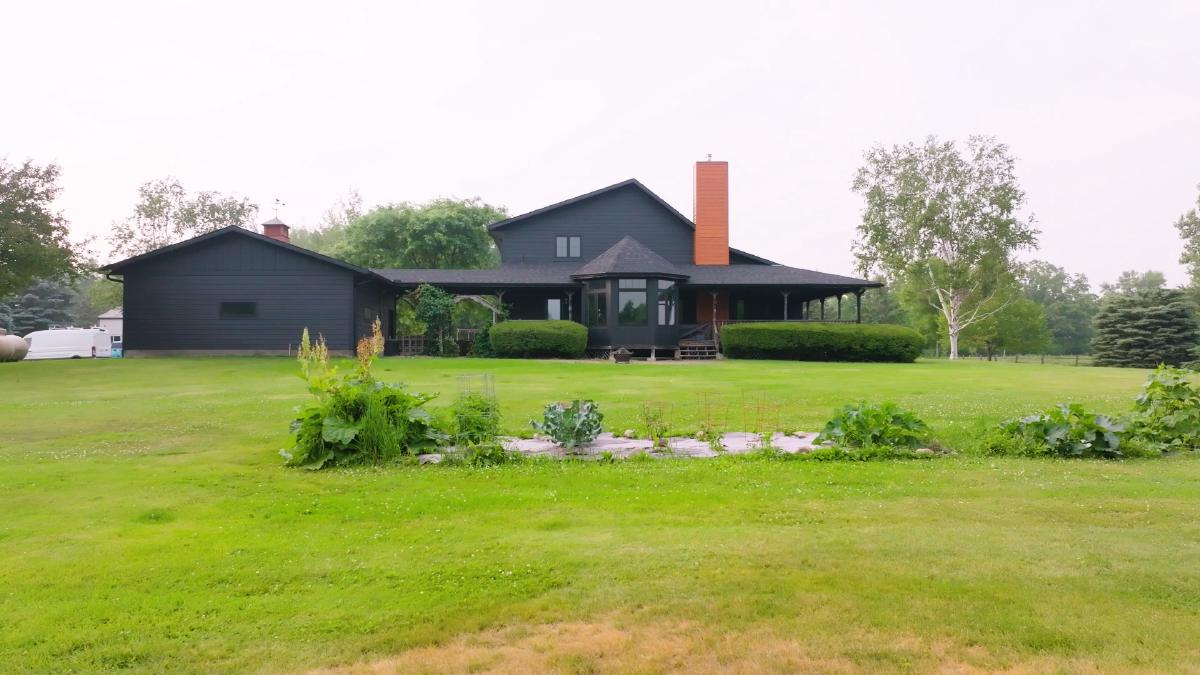
Window Replacement
Our window replacement service provides enhanced home efficiency, modern aesthetics, and increased property value.
Learn more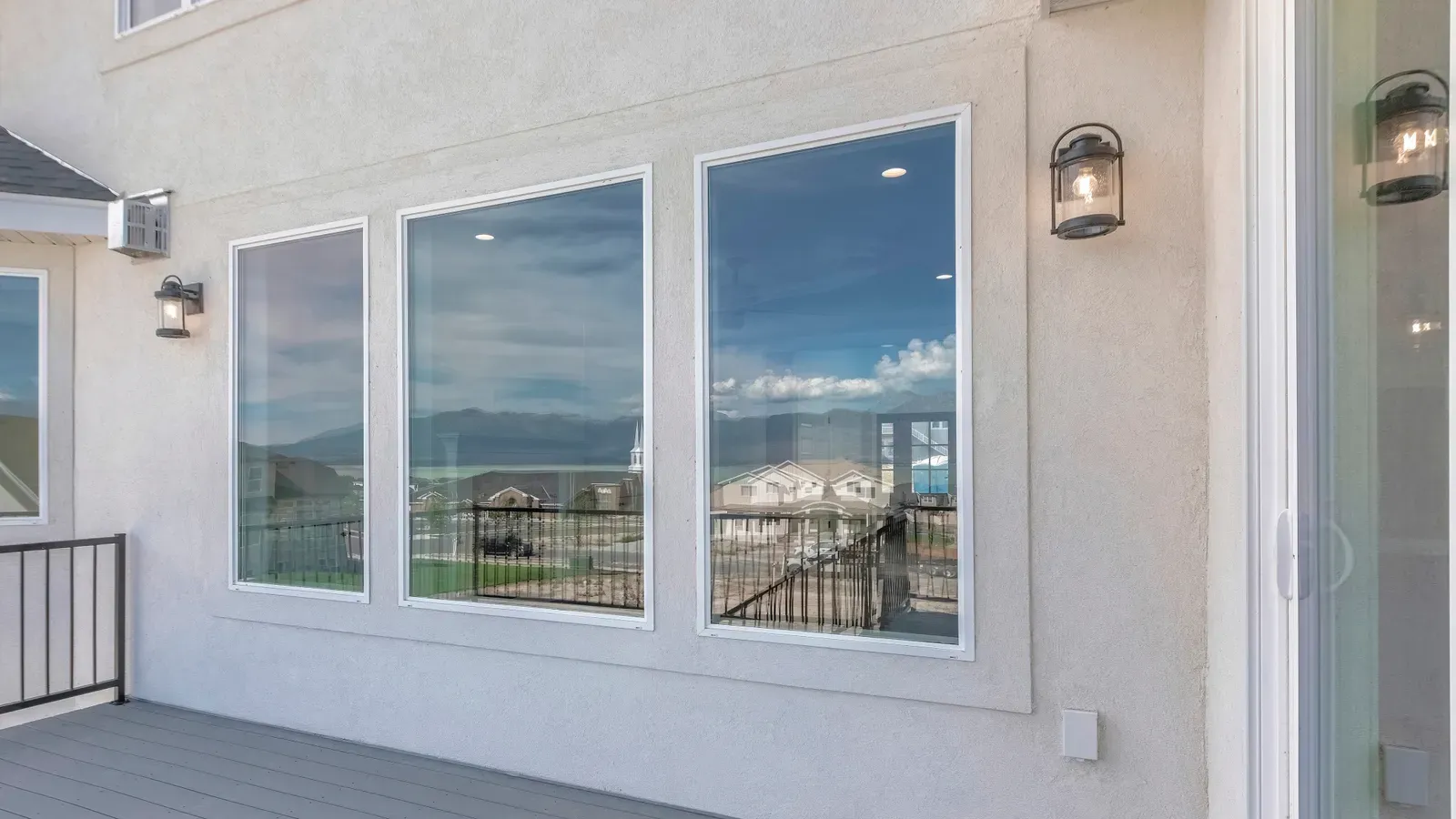
Window Installation
Our window installation service guarantees precise craftsmanship, energy efficiency, and enhanced home aesthetics.
Learn more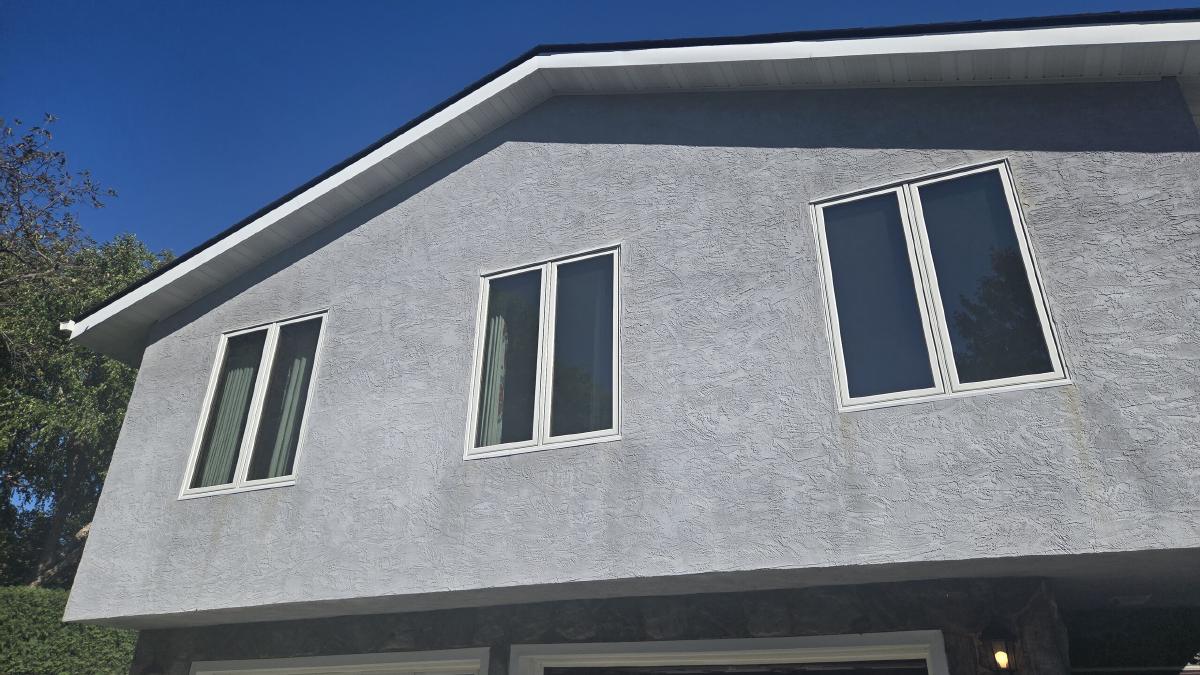
Window replacement: when it's time and what to look for
Learn more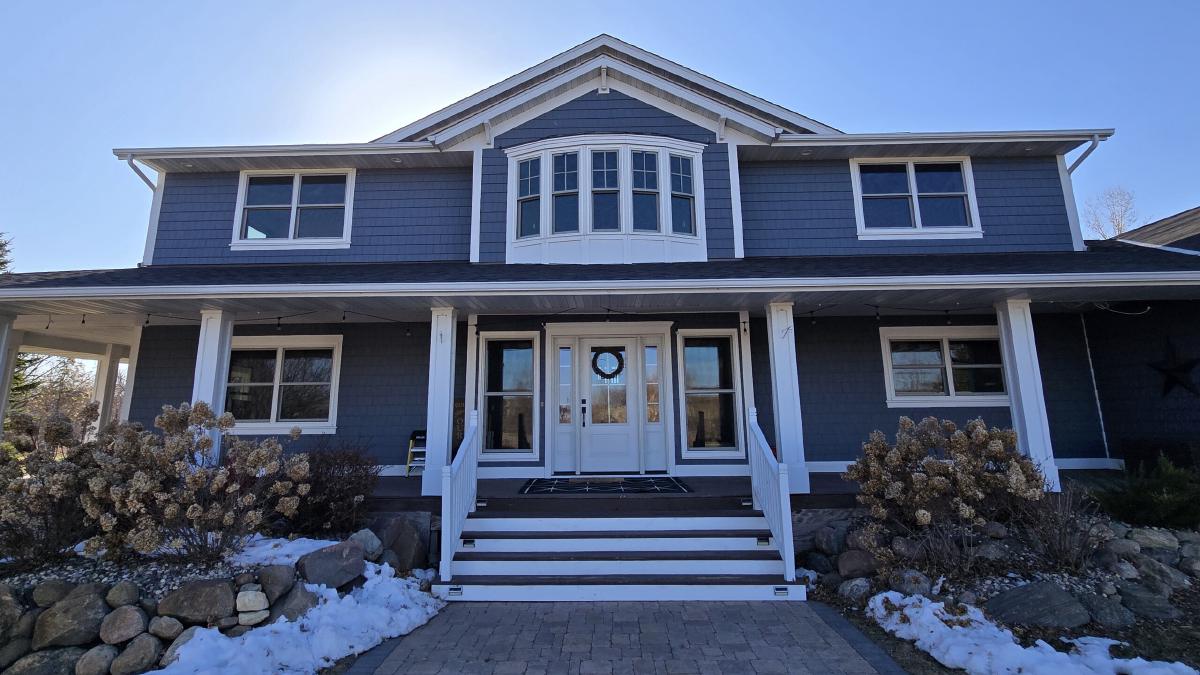
Window Replacement in Stillwater, MN
Replacement windows for Stillwater, MN homes from Marvin, Thermotech and Pella, with what St. Croix Valley winters ask of a window. Free estimates.
Learn more
Guides
Helpful guides
3 guides from Omega Exteriors.
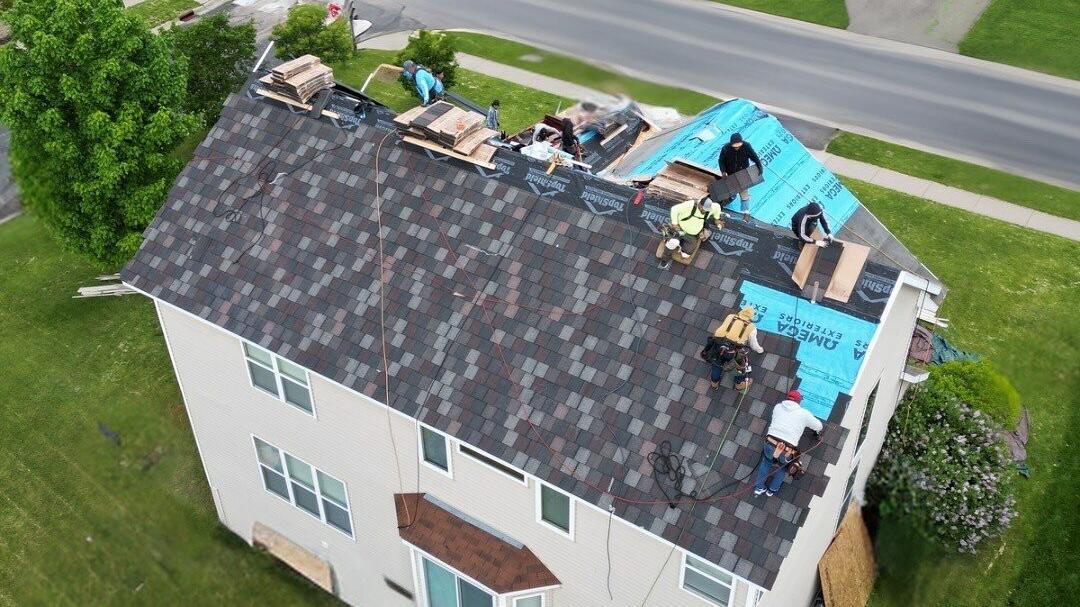
What to expect during a roof replacement, step by step
A roof replacement step by step: the estimate, choosing materials, getting the house ready, tear-off, installation and cleanup.
Learn more
How Much Does a Roof Replacement Cost in Minnesota and Wisconsin?
What sets the price of a new roof in Minnesota and Wisconsin: size, tear-off, decking, material, roof shape, storm damage.
Learn more
Storm damage restoration
Learn more
FAQ
Frequently asked questions
4 questions and answers.
Are triple-pane windows worth it in Minnesota?
They can be, especially for large windows, north-facing walls and rooms where you sit near the glass. A well-made double-pane window with low-E glass and a gas fill can also meet the northern-zone criteria, so compare the U-factor on each label.
Why do my windows frost on the inside?
Warm, humid indoor air condenses on cold glass and freezes. Frost on the coldest nights is usually a humidity issue; fog between the panes means a failed seal, and frost on the frame points to air leaking around the window.
What does the U-factor on a window label mean?
It measures how quickly heat passes through the whole window. Lower numbers mean less heat lost, and in a cold climate it is the most useful number to compare.
Does installation affect a window's efficiency?
Yes. The gap around the frame has to be insulated and air sealed and the outside flashed. A highly rated window in a leaky opening still feels drafty.
Ready when you are
Tell us what you need and we will get back to you — Monday–Friday 7:00 AM–7:00 PM.
Request a free estimate
Tell us about your project
Send a few details and Omega Exteriors will reply by phone or email.