

Winter siding
Can Siding Be Installed in Cold Weather?
A siding quote that arrives in October leaves a homeowner with a choice: go ahead before the snow, or wait for spring? Unlike paint, most siding does not need a warm day to go on, but each material reacts to the cold in its own way, and a crew working in January has to allow for that. Here is what changes, material by material, and how to tell when waiting is the better plan.
Vinyl in the cold: movement and brittleness
Vinyl siding grows and shrinks noticeably with temperature. Each panel hangs on nails driven through slotted holes, loose enough that the panel can slide as it moves. That is normal and it is why a good vinyl job never pins a panel tight. In cold weather the panels are at their shortest, so the gaps left at corners, trim and J-channel have to account for how much they will lengthen once summer sun hits the wall. Manufacturers publish their own spacing for installs at low temperatures, and following it is what keeps a wall from buckling in July.
The other change is stiffness. Cold vinyl is less flexible and can crack if it is dropped, bent sharply or cut with the wrong blade. Crews handle cold panels more gently, store them out of the wind and cut them with tools suited to the temperature. Once installed, a properly hung vinyl wall rides through winter without trouble; the risk is in the handling, not the finished wall.
Learn more about the vinyl siding Omega Exteriors installs.
Fiber cement: caulk, primer and paint
Fiber cement boards do not expand and contract the way vinyl does, and cold does not make them fragile. What slows a winter fiber cement job is everything that comes with it. Joint sealants, primers and field paint all have minimum application temperatures printed on their labels, and boards cut on site need their raw edges sealed. On a frozen day, those steps either wait for a warmer window or the finishing work moves to spring while the boards themselves go up.
Moisture is the other concern. Fiber cement should be stored flat and dry before it is installed, which is harder to manage when snow is falling on the driveway. Our page on fiber cement siding covers why many homeowners choose it.
Steel siding in winter
Steel is the least fussy material in the cold. It does not get brittle, it is fastened mechanically, and its finish is applied at the factory, so there is no field painting to wait on. Steel does still move with temperature changes, so it is hung with the same attention to slotted fastening and room at the ends of each piece. What limits a winter steel job is the same thing that limits any exterior work: wind, ice on the ladders and staging, and short daylight. Our steel siding page has more on the material.
What changes on the job site
A winter siding project looks a little different from a summer one even when the material is the same. Days are shorter, so crews plan to close up each wall they open before dark. The old siding comes off a wall only when the new house wrap and siding can follow before the crew leaves, so a wall is not left exposed to blowing snow. Materials are kept covered and, for vinyl, warm enough to work. Clear paths, salted steps and safe staging matter more than they do in June.
None of that makes a winter installation worse when the crew follows the manufacturer's cold-weather instructions. It does mean the schedule has more room built into it, because a stretch of bitter wind or a heavy snowfall simply moves the work to the next good day.
When to wait for spring
There are good reasons to schedule siding for spring instead of starting in the middle of winter:
- The project depends on painting or caulking that needs warmer temperatures to cure
- You are changing color and want to see samples on the house in good daylight
- The wall needs repairs behind the siding, such as rotted sheathing, that are easier to open up in dry weather
- The old siding is still keeping water out, so there is no damage getting worse while you wait
On the other hand, siding that is cracked, loose or letting water into the walls is worth fixing sooner. Hail can split older vinyl in a single storm, and a damaged wall does not get better over a winter of freeze and thaw.
Planning a siding project with Omega Exteriors
Omega Exteriors provides siding installation in vinyl, fiber cement, steel, cedar, shake and board and batten across Minnesota and Wisconsin, and every project begins with a free estimate. If you are still choosing a material, our guide to choosing siding compares how each one looks and holds up. At the estimate, ask about timing as well as materials, and we can talk through whether your project fits a winter schedule or is better planned for the spring.
Services
Pages this one connects to
5 pages this guide links to.
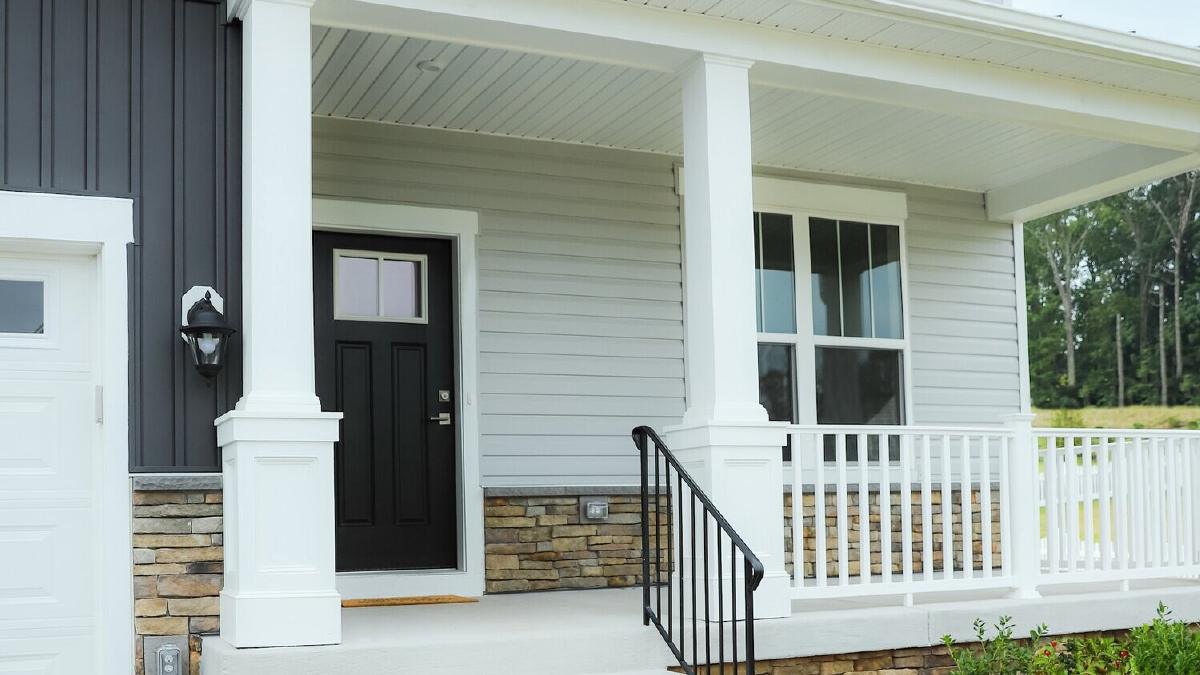
Siding Installation
Our siding installation service offers precision craftsmanship, premium materials, and efficient project timelines.
Learn more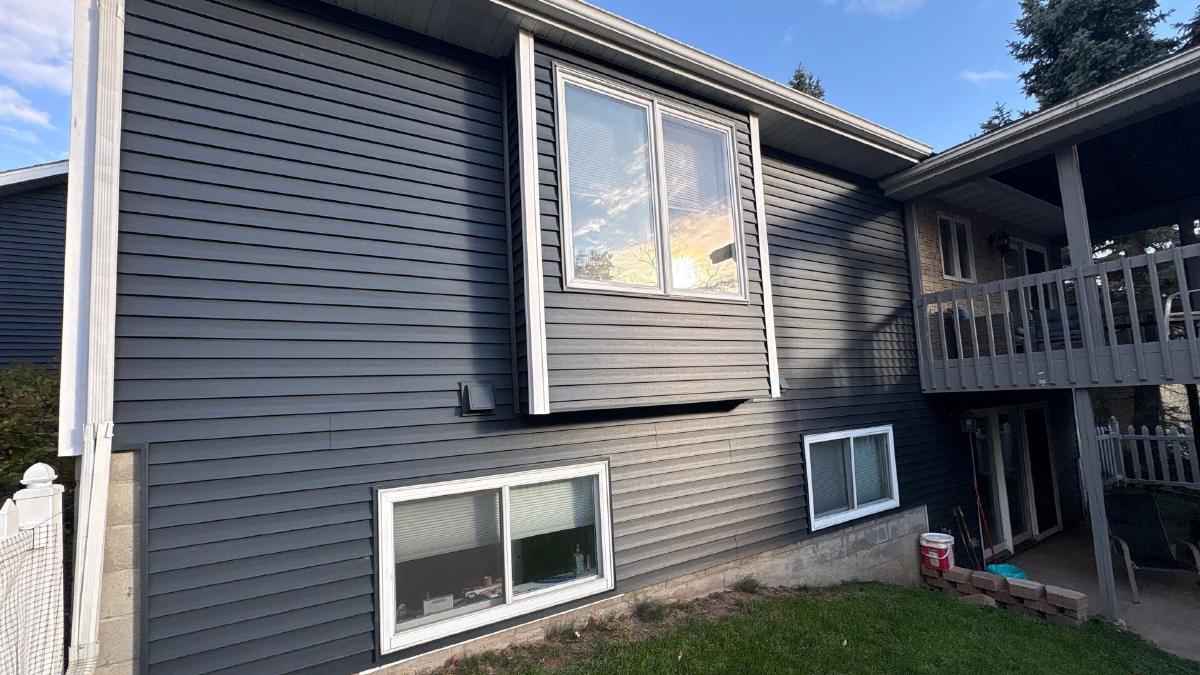
Vinyl Siding
We use premium vinyl siding to offer exceptional durability, energy efficiency, and low maintenance, providing homeowners.
Learn more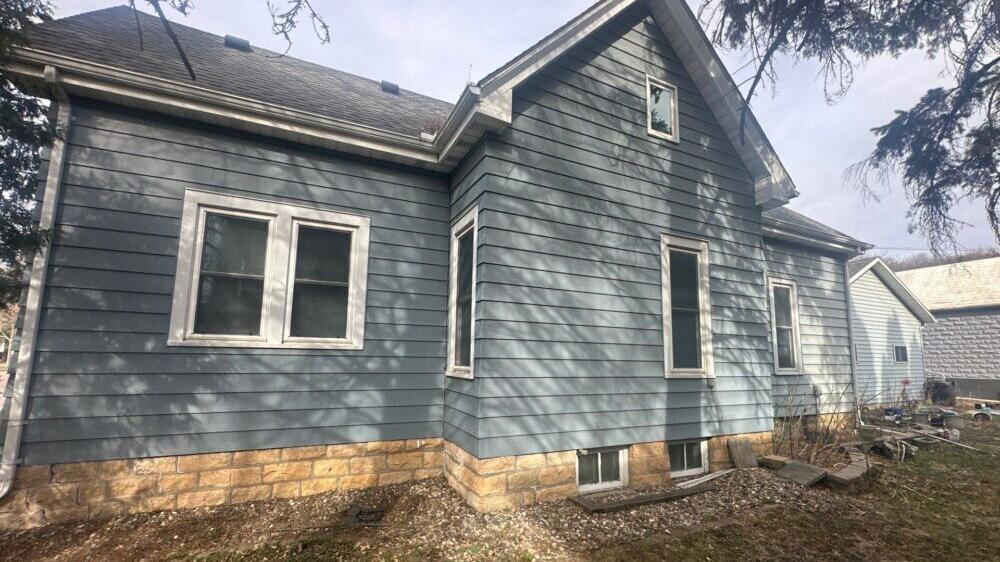
Fiber Cement Siding
We employ fiber cement siding for its outstanding durability, fire resistance, and versatile design options.
Learn more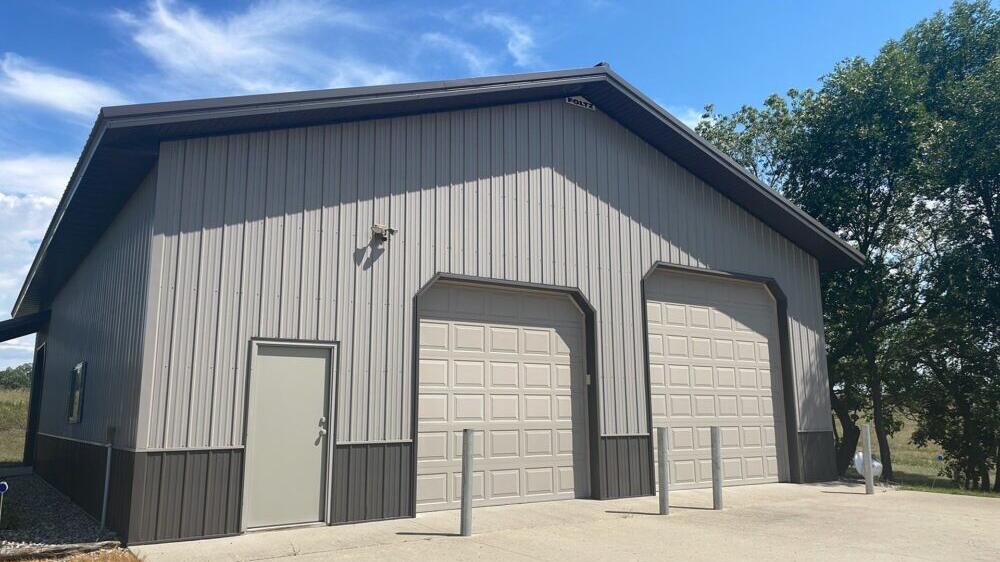
Steel Siding
Our steel siding offers unmatched strength and resistance to extreme weather, while delivering a sleek, modern look.
Learn more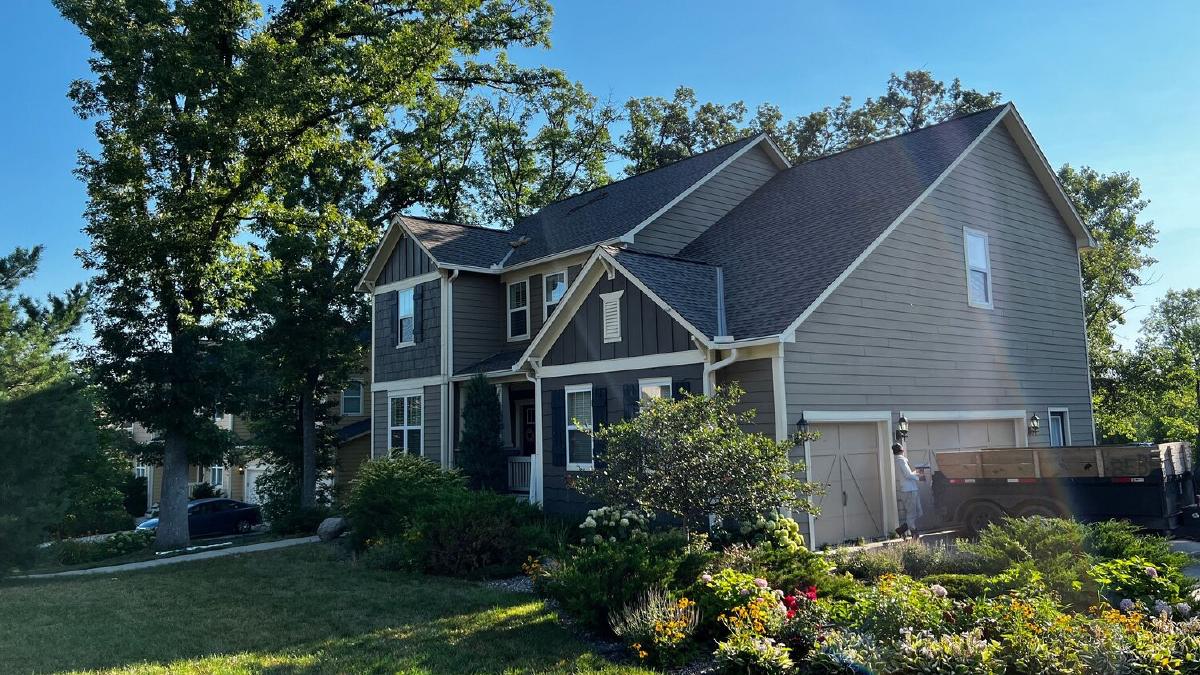
Choosing siding: vinyl, fiber cement, steel or cedar
Learn more
Guides
Helpful guides
3 guides from Omega Exteriors.
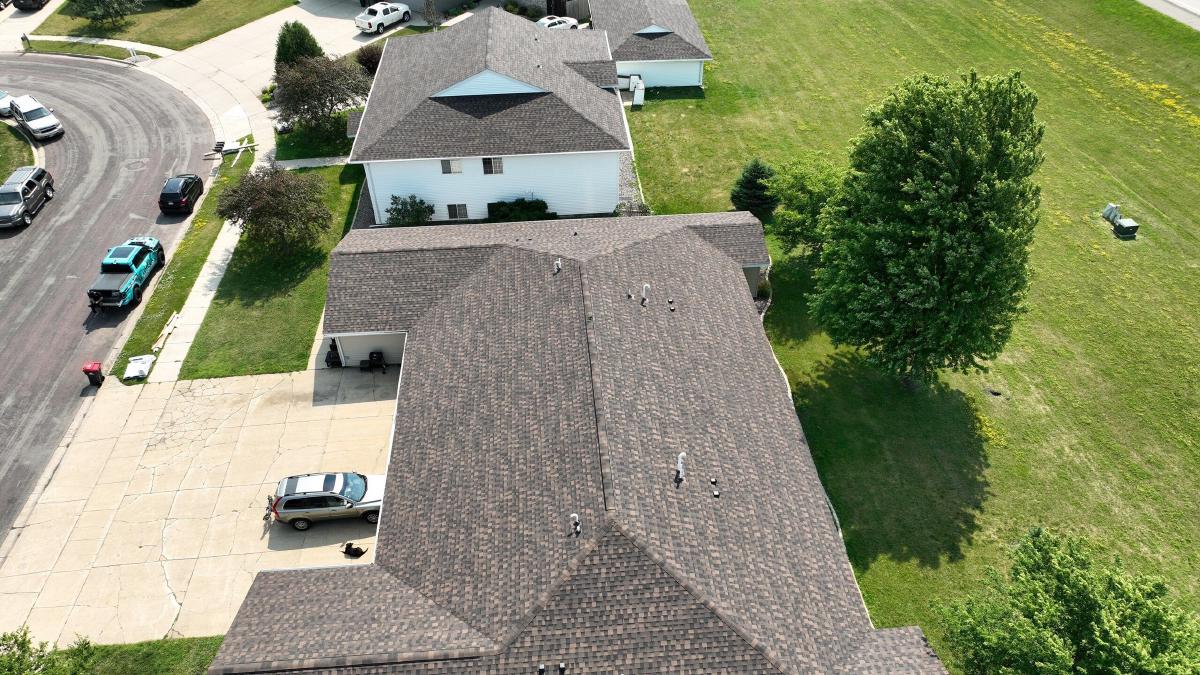
Storm damage restoration
Learn more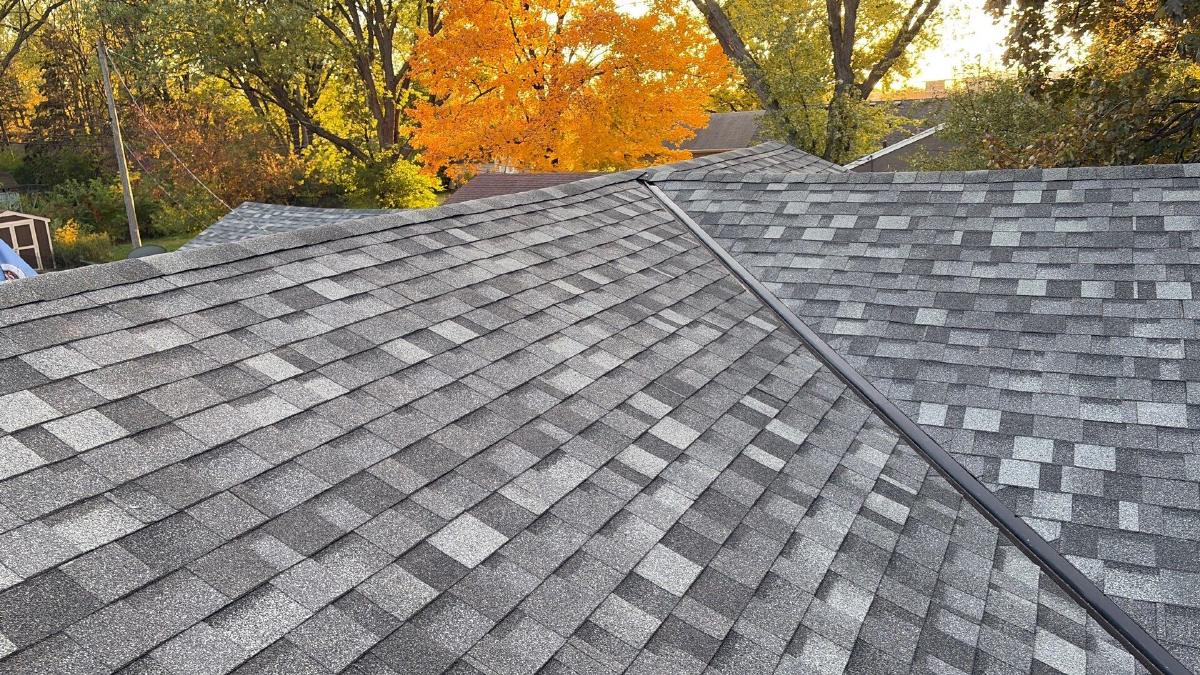
Roof repair or roof replacement: how to decide
How to tell whether your roof needs a repair or a full replacement: its age, the damage, leaks, the roof deck and your plans.
Learn more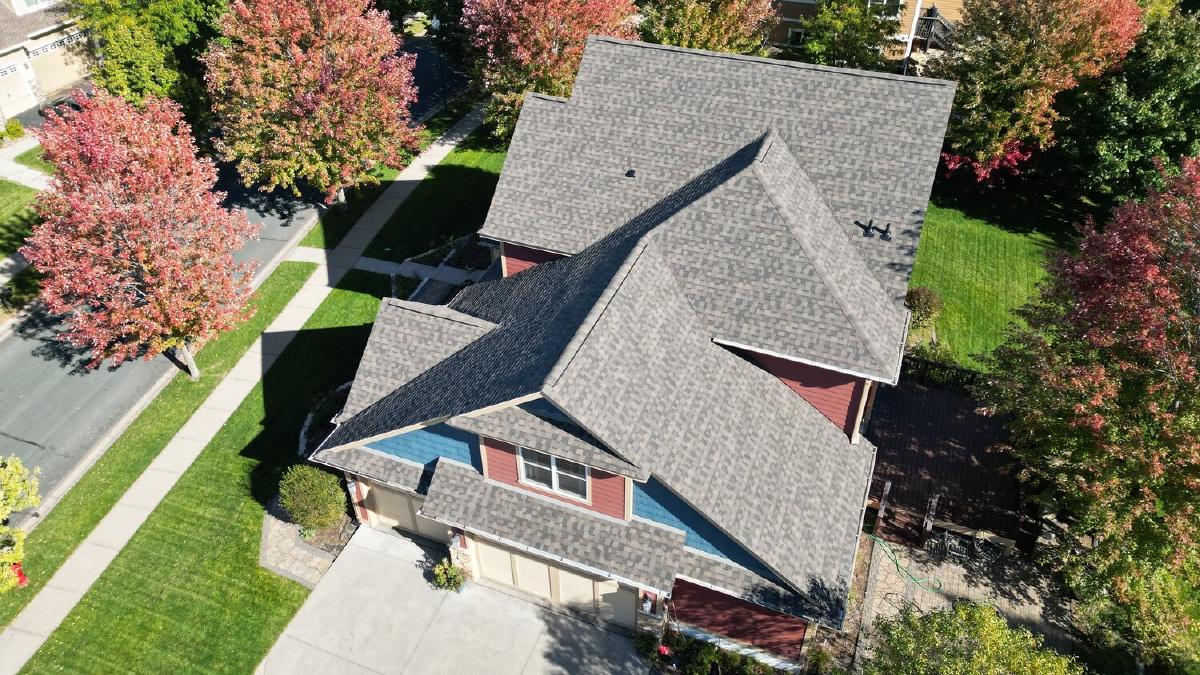
Signs of hail and wind damage on your roof, and what to do first
What hail and wind damage looks like on shingles, gutters, siding and windows, and the first steps to take after a storm.
Learn more
FAQ
Frequently asked questions
3 questions and answers.
Does a cold-weather install affect a siding warranty?
Manufacturer warranties are tied to the manufacturer's installation instructions, which include their guidance for cold weather. Ask about the specific product you are considering at your estimate.
Is vinyl siding more likely to crack in winter?
Cold vinyl is stiffer and can crack when it is bent sharply or struck, which is why crews handle it carefully in winter. Hail can also crack older vinyl walls.
What siding material handles cold installs best?
Steel is the least affected by cold during installation. Vinyl needs careful handling and spacing, and fiber cement depends on temperatures for its sealants and paint.
Ready when you are
Tell us what you need and we will get back to you — Monday–Friday 7:00 AM–7:00 PM.
Request a free estimate
Tell us about your project
Send a few details and Omega Exteriors will reply by phone or email.